What Homeowners Insurance Costs in Melbourne vs. the Barrier Island
What Homeowners Insurance Costs in Melbourne vs. the Barrier Island
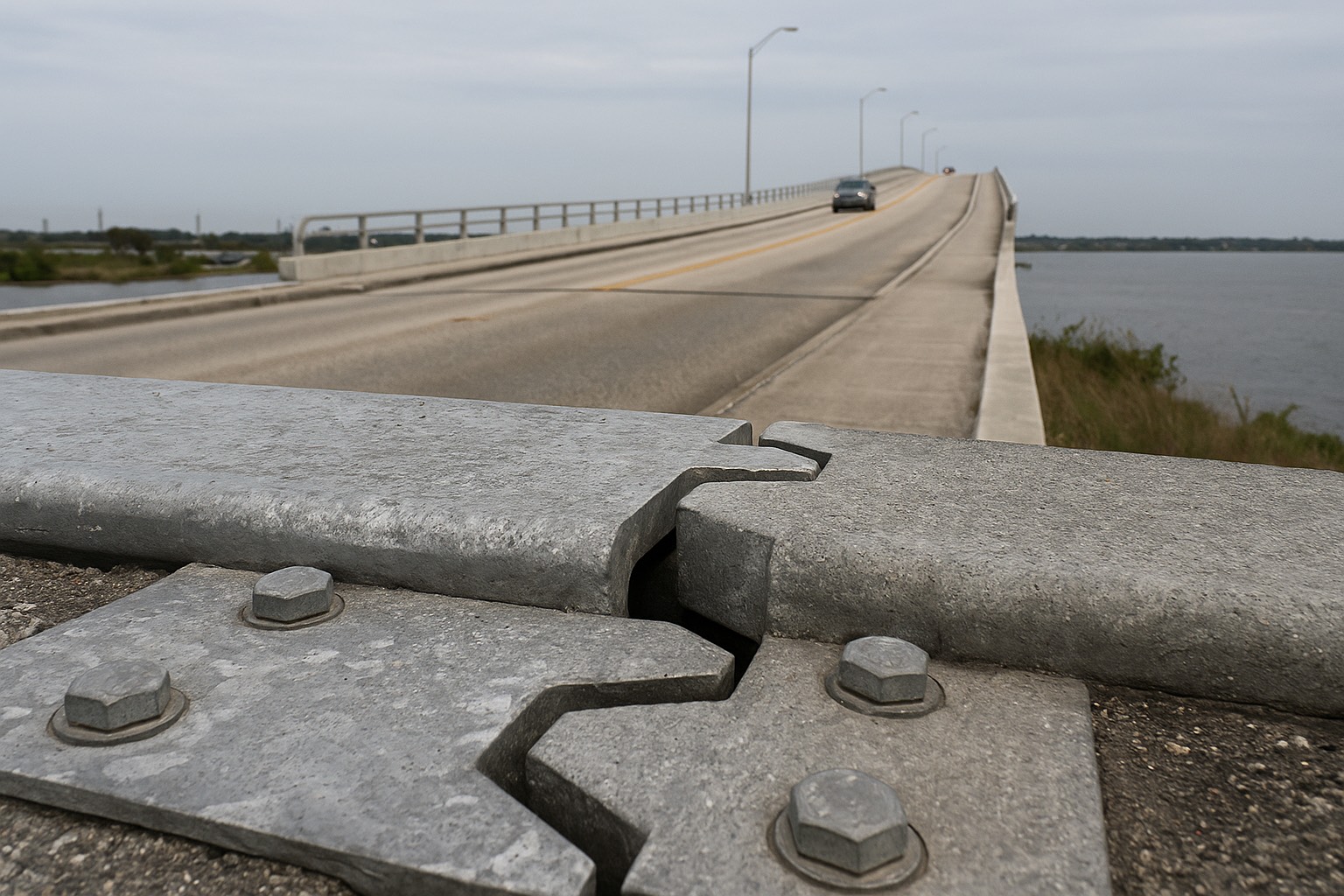
Two houses at the same price, four miles apart across the Melbourne Causeway, can carry very different insurance, and the reasons are mechanical, checkable, and knowable before you write an offer.
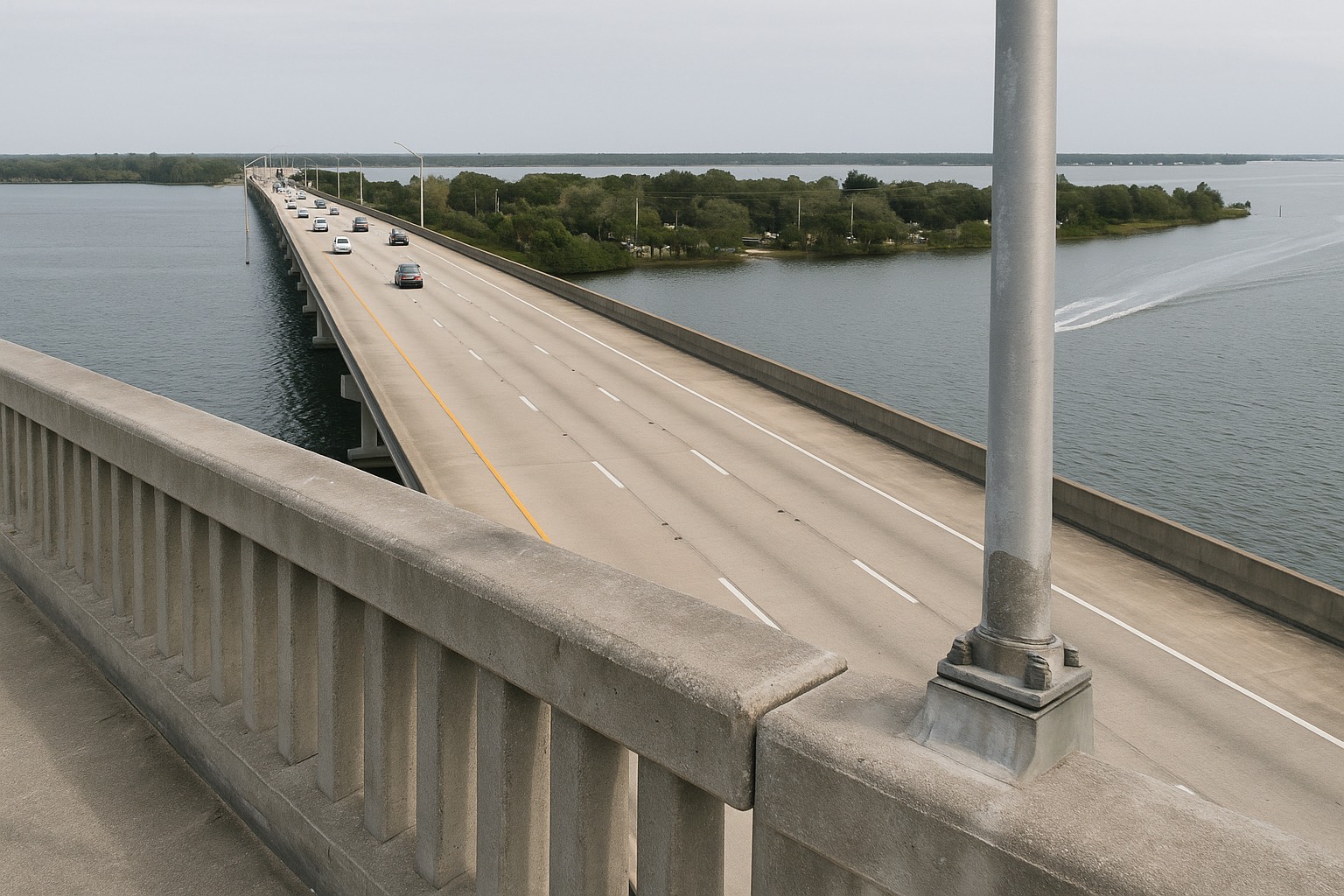
Two houses. Built the same decade, roughly the same size, listed within a few thousand dollars of each other. One sits on the mainland off Wickham Road. The other sits across the Melbourne Causeway on the barrier island, maybe four miles east as the pelican flies. Same lender, almost the same quoted payment on both. The insurance agent does not agree, and on some pairs the difference is large enough to decide which house you can afford. Buyers ask me why every week. The answer is not mysterious and it is not the ocean view being taxed. It is three separate mechanisms: wind exposure, flood zone, and the physical condition of the structure, each of which is written down somewhere public, and each of which you can check on a specific address before you fall for a specific kitchen.
I want to be careful about one thing up front. This post explains how the pricing works. It does not quote premiums, because a premium on the Space Coast is set address by address, carrier by carrier, roof by roof, and any figure I printed here would be wrong for your house by the time you read it. What I can give you is the machinery, the authorities that publish the inputs, and the order to work through them. If you are still deciding between the mainland and beachside generally, start with my Melbourne area guide and the regional Space Coast homeowners insurance cost breakdown, then come back here for the mainland-versus-island part.
Why the same house costs different money four miles apart
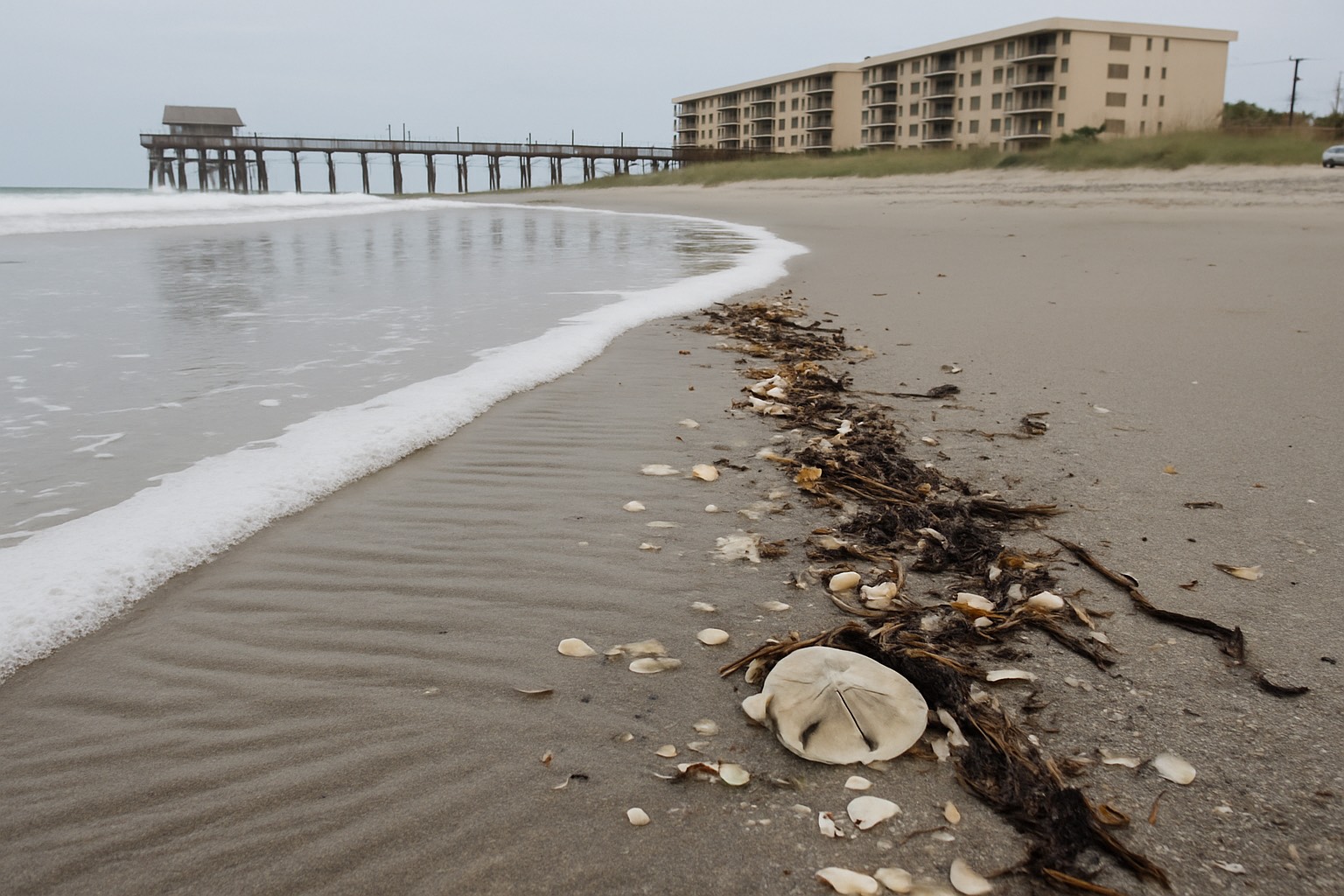
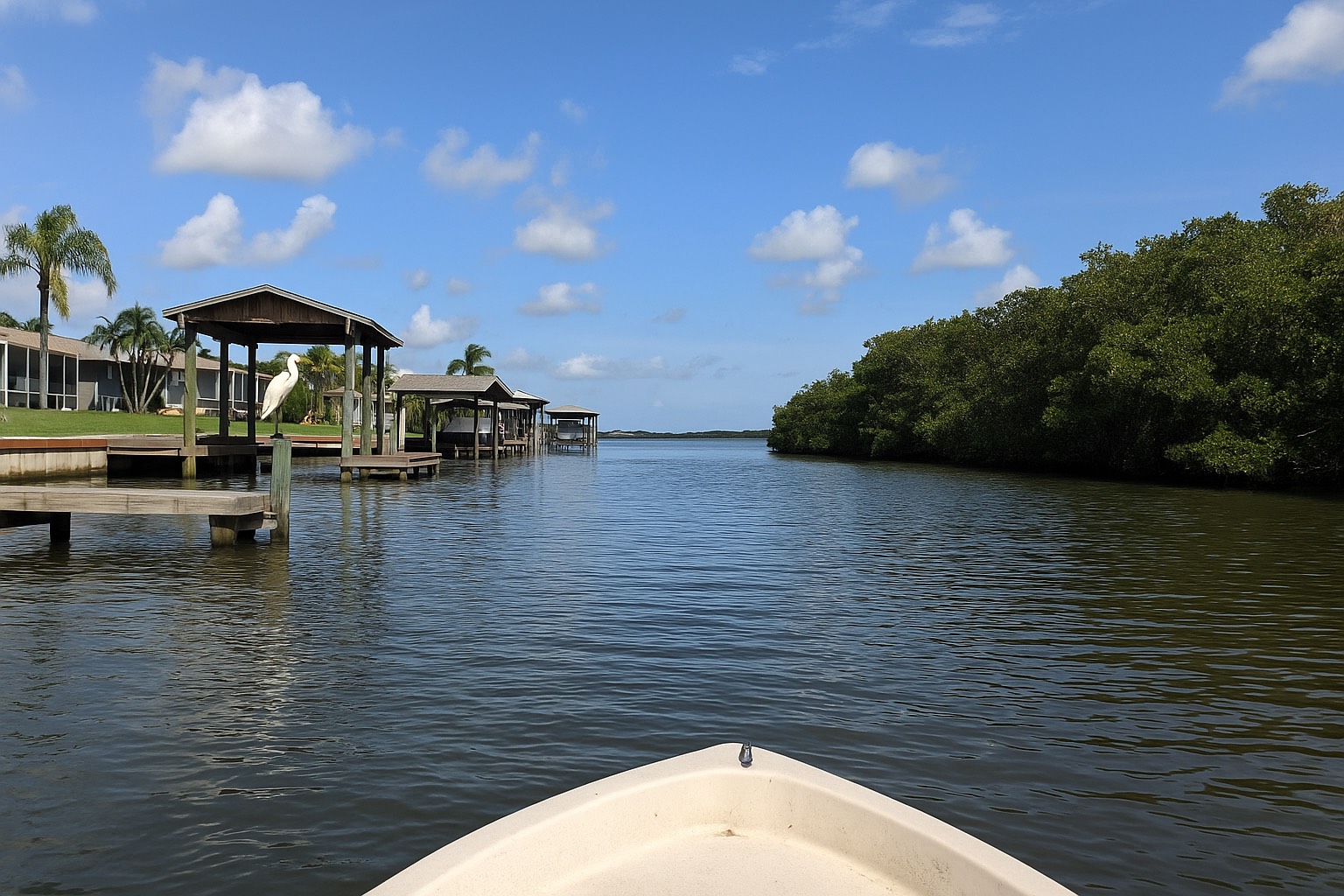
Melbourne sits on the mainland, on the west bank of the Indian River Lagoon, with US-1 running its waterfront and Interstate 95 forming its western edge. East of the lagoon runs the barrier island: a strip of sand carrying State Road A1A, with Indialantic and Melbourne Beach to the south of the causeway, Indian Harbour Beach and Satellite Beach to the north, and the Atlantic on the far side. Between the two you have the Melbourne Causeway and the Eau Gallie Causeway. That water gap is short. In insurance terms it is not short at all.
Three things change as you cross it, and they change independently of each other:
- Wind. Distance to the coastline is a rating input for essentially every carrier writing residential property in Florida, and building requirements tighten inside a coastal band defined by the Florida Building Code. A house on A1A and a house on Babcock Street are not being underwritten against the same storm.
- Flood. Flood is a separate policy from your homeowners policy, priced off the FEMA flood zone and the elevation of your structure. Barrier-island parcels are more likely to sit in the higher-risk zones. Mainland parcels are not automatically out of them.
- The structure itself. Roof age, roof shape, how the roof is attached to the walls, and whether the windows and doors are protected can move a Florida quote more than the address does. This is the lever most buyers do not know they are allowed to pull.
Notice what is missing from that list: the price of the house. Coverage A is set by replacement cost, meaning what it would cost to rebuild the structure, and that is related to but not the same as the contract price. Two homes with identical list prices can carry different rebuild costs, different roofs, and different zones. Which is exactly how you end up with the pair I opened with.
The one-line version
Crossing the causeway usually raises wind exposure and the odds of a mandatory flood policy, while roof age and opening protection can swing a quote on either side of the lagoon. Price wind, flood, and roof separately on every address, and total them before you compare houses.
Wind: distance to the coast and the debris region
Windstorm is the component that separates a coastal Florida premium from an inland one, and the Space Coast is rated as a hurricane-prone region across the board, Melbourne included, Palm Bay included, Viera included. The mainland is not a wind-free zone. What changes near the ocean is the severity of the design assumptions.
The Florida Building Code maps an ultimate design wind speed for every site in the state, and it defines a wind-borne debris region using a combination of that mapped wind speed and distance measured from the coastal mean high water line. Inside that region, glazed openings: windows, sliding doors, entry doors with glass, garage doors, generally have to be impact-rated or protected by shutters or an approved system. That is a construction rule rather than an insurance rule, but insurers read it directly. A beachside home built or renovated under those requirements has documented opening protection; an older beachside home that was never brought up to it has an exposure the carrier will price, or decline.
Three practical consequences for a Melbourne buyer weighing beachside against mainland:
- Do not guess whether an address is in the band. The city or county building department that issues permits for the parcel can tell you which wind speed and which debris-region determination applies. The permitting authority is whichever jurisdiction the parcel sits in, the City of Melbourne or West Melbourne on the mainland, the town itself on the island (Indialantic, Melbourne Beach, Indian Harbour Beach, Satellite Beach), or Brevard County for unincorporated addresses.
- The hurricane deductible is not a dollar figure. Florida homeowners policies typically carry a separate hurricane deductible expressed as a percentage of Coverage A, which means it scales with your rebuild cost. Read that percentage on the quote and convert it into dollars yourself. It is the number that shows up on the worst day of your ownership.
- Availability matters as much as price. Some carriers simply stop writing inside certain distance bands. That is when Citizens Property Insurance, the state's insurer of last resort, becomes the practical market. The Florida Office of Insurance Regulation is the authority on which companies are authorized to write property coverage in Florida and how those rates are reviewed.
I go deeper on how the wind side and the water side divide up a claim in the wind versus flood guide for the Space Coast. The short version worth carrying into a showing: wind-driven rain through a failed window is generally a windstorm claim, and water rising from the lagoon or the ocean into the same room is generally a flood claim, and they are two different policies with two different deductibles.
Flood: mainland zones versus the island
Every standard homeowners policy in Florida excludes flood. Coverage comes separately, through the federal National Flood Insurance Program or a private flood carrier, and it is priced against the flood zone and elevation of the specific structure. Pull the zone yourself at the FEMA Flood Map Service Center, which is the official source of record, before you take anyone's word for it, including a listing sheet's.
Here is the shape of the mainland-versus-island comparison. Barrier-island parcels in Indialantic, Melbourne Beach and Satellite Beach are more likely to fall into FEMA's high-risk Special Flood Hazard Areas, including the coastal V-zone family nearest the Atlantic where wave action is part of the hazard. When a property sits in a Special Flood Hazard Area and the buyer uses a federally backed mortgage, flood insurance is generally mandatory rather than optional. So on the island, "do I need flood?" is more often answered for you.
And now the part that costs mainland buyers money: a Melbourne address on the mainland is not automatically dry. Crane Creek runs through downtown Melbourne to the lagoon. The Eau Gallie River drains the Eau Gallie district. Low-lying pockets along US-1 and along the lagoon shoreline carry real zone designations, and drainage across this whole basin is managed by the St. Johns River Water Management District. Beyond that, FEMA's own program has long reported that a meaningful share of flood claims come from outside the highest-risk zones. Buying on the mainland to avoid a mandatory flood policy, then declining a voluntary one, is the version of this decision I see go wrong most often.
| Input | Mainland Melbourne | Barrier island across the causeway |
|---|---|---|
| Distance to coast | Miles of mainland and the width of the Indian River Lagoon between the structure and the Atlantic. | Measured in blocks. Oceanfront and second-row parcels sit closest to the design assumption. |
| Wind-borne debris region | Depends on the mapped design wind speed for the site. Ask the permitting authority rather than assuming. | Far more likely to fall inside it, which drives impact glazing or shutter requirements on permitted work. |
| Flood zone | Mixed. Higher-risk designations follow Crane Creek, the Eau Gallie River, and the lagoon shoreline. | More likely to sit in a Special Flood Hazard Area, and V-zone designations appear nearest the ocean. |
| Flood policy required? | Only if the structure is mapped in a Special Flood Hazard Area and the loan is federally backed. | More often yes, for the same reason. |
| Elevation certificate | Worth having if the parcel is anywhere near a mapped zone boundary. | Frequently decisive. Ask the seller whether one exists before you order your own. |
| What usually moves the quote | Roof age and opening protection, more than geography. | Geography and opening protection, with roof age still in play. |
Zone families, Special Flood Hazard Area definitions and the mandatory-purchase trigger summarized from the FEMA Flood Map Service Center and the National Flood Insurance Program; wind-borne debris region and opening-protection requirements from the Florida Building Code; drainage-basin management from the St. Johns River Water Management District. Verified August 2026. Zone designations are parcel-specific and are revised over time, confirm the current map for your address.
One more lever worth knowing about. FEMA runs a voluntary program called the Community Rating System, under which a participating community's floodplain-management work can earn a discount on NFIP premiums for properties inside it. Whether a given Space Coast city participates, and at what class, is set community by community. Ask the floodplain administrator at the City of Melbourne directly, and check the same for whichever beachside municipality you are considering, because two addresses four miles apart can sit in two different participating communities. I unpack how the zone letters themselves read in Space Coast flood zones explained.
Roof age and the wind mitigation inspection
If there is one thing I want a Melbourne buyer to take away, it is this: the roof is usually the biggest controllable variable in a Florida quote, and it is controllable on both sides of the lagoon. A 1998 house on the mainland with a 2007 roof and no shutters can quote worse than a beachside house with a 2022 roof, impact windows, and a hip design. Geography sets the floor. The structure sets where you land above it.
The instrument that captures this is the uniform mitigation verification inspection form, the wind mitigation report, form OIR-B1-1802, adopted by the Florida Office of Insurance Regulation. Section 627.711, Florida Statutes, requires insurers to notify policyholders of the premium discounts available for hurricane loss mitigation features, and the form is how those features get documented. An inspector records a defined set of items:
- Roof covering and whether it meets the current code standard, with the permit date as the evidence.
- Roof deck attachment, how the sheathing is fastened to the trusses.
- Roof-to-wall connection, toe nails, clips, single wraps, double wraps. This one item can be worth a great deal.
- Roof geometry, a hip roof sheds wind differently than a gable.
- Secondary water resistance, a sealed deck beneath the covering.
- Opening protection, impact-rated glazing or approved shutters on every opening, which is where beachside homes either shine or bleed.
Order the wind mitigation inspection during your inspection period rather than after closing. The credits apply to the windstorm portion of the premium for as long as the features are documented, which is why the report is worth having in hand before your insurance contingency expires. The mechanics of each credit are in my Florida wind mitigation inspection guide.
Roof age also affects whether you get a policy at all. Florida's SB 4-D, passed in the May 2022 special session, addressed this directly: it provided that an insurer may not refuse to issue or renew a homeowners policy solely because of the age of the roof when the roof is under a defined age threshold, and that for older roofs the homeowner must be allowed an inspection demonstrating remaining useful life before a refusal on roof age alone. Separately, the December 2022 special session's SB 2-A permitted carriers to offer an optional separate roof deductible. Read your quote for which structure it uses. Ask the seller for the roof permit and the permit's final inspection date, both of which are public records at the permitting authority for the parcel, and cross-check the year built and any recorded improvements on the parcel card at the Brevard County Property Appraiser.
Brianna's take
Here is the downside nobody tells you before you start touring. No amount of shopping fixes an old roof. If a house has a twenty-year-old roof and unprotected openings, you are not going to negotiate your way to a comfortable premium, on the island or on the mainland, you are going to either replace the roof, protect the openings, or carry the number. That is why I ask for the roof permit date and the wind mitigation report before we get emotionally attached to a house, and why on beachside listings I ask about opening protection in the very first conversation with the listing agent. It is a five-minute question that occasionally saves a deal, and occasionally ends one early, which is its own kind of saving.
How to get a real number before you are committed
Insurance is a contingency, and contingencies expire. The sequence below fits inside a normal inspection period on the Space Coast, and it produces an actual number rather than an estimate.
- Pull the flood zone first. Enter the exact address at the FEMA Flood Map Service Center. Note the zone and the Base Flood Elevation, and note whether the structure sits in a Special Flood Hazard Area, because that answers the mandatory-purchase question for a federally backed loan.
- Ask the seller for three documents. The most recent wind mitigation report, the elevation certificate if one exists, and the roof permit with its final inspection date. Sellers who have been through a renewal often have all three. Ask in writing.
- Order your own wind mitigation inspection if the seller's is missing or predates the current roof. Do it in the same window as the home inspection.
- Get quotes from a licensed Florida agent who writes on both sides of the lagoon. Ask for the hurricane deductible as a percentage and in dollars, ask whether a separate roof deductible is being applied, and ask whether the quote is from an authorized carrier or from Citizens Property Insurance.
- Quote flood separately. NFIP and private flood both, because they price differently on the same structure.
- Total the carry. Principal and interest, taxes, homeowners, flood, and any association fee, as one monthly figure. If the house is a condo, the master policy and your HO-6 split the coverage between them, which I break down in the HO-6 versus master policy guide.
Do this on both finalists at the same time. Comparing a mainland house you have quoted against a beachside house you have only guessed at is how buyers talk themselves into the wrong side of the causeway, in either direction.
What I check on a Melbourne listing first
My own order, before I even send a listing to a client, is short. Which side of the Indian River Lagoon the parcel sits on, and how far from the Atlantic. The year built and the roof permit history, read off the parcel record at the Brevard County Property Appraiser and confirmed with the permitting authority. The FEMA zone. Whether the photos show impact glazing or shutter tracks. Whether it is a condo, in which case the master policy, the reserve position, and the HO-6 all enter the picture. And whether it is inside the City of Melbourne or in unincorporated Brevard County, because that determines who permits, who inspects, and which floodplain administrator you are dealing with.
That takes about ten minutes and it changes which houses I bother showing. If you want to see the inventory on each side and what has been trading, the current Melbourne listings and the Melbourne market snapshot are both live on the site, and I keep a companion piece on Melbourne's Eau Gallie, downtown and west-side areas for the neighborhood-level view. For the full-year cost picture on the island side specifically, read the annual cost of owning in Melbourne Beach.
Frequently asked questions
Is homeowners insurance really more expensive on the barrier island than in Melbourne?
Generally yes, for two structural reasons. Distance to the coastline is a rating input for essentially every carrier writing residential property in Florida, so a barrier-island parcel near the Atlantic is underwritten against a more severe wind assumption than a mainland parcel west of the Indian River Lagoon. Barrier-island parcels are also more likely to sit in a FEMA Special Flood Hazard Area, which triggers a mandatory flood policy on a federally backed mortgage. That said, the gap is not fixed. Roof age and opening protection can move a quote enough that a well-built beachside home outperforms an older mainland home, so quote both addresses rather than assuming.
What is the wind-borne debris region and how do I know if a house is in it?
The Florida Building Code defines the wind-borne debris region using the mapped ultimate design wind speed for a site together with distance measured from the coastal mean high water line. Inside that region, glazed openings such as windows, sliding doors and garage doors generally must be impact-rated or protected by shutters or an approved system on permitted work. It is a construction requirement rather than an insurance rule, but carriers read it directly because unprotected openings are a claim pathway. Do not guess from a map at home. Ask the building department that permits the parcel. The permitting authority is whichever jurisdiction the parcel sits in, the City of Melbourne or West Melbourne on the mainland, the town itself on the island (Indialantic, Melbourne Beach, Indian Harbour Beach, Satellite Beach), or Brevard County for unincorporated addresses.
Do I need flood insurance if I buy on the mainland in Melbourne?
It depends on the parcel, and mainland does not mean dry. Flood insurance is generally mandatory when the structure is mapped inside a FEMA Special Flood Hazard Area and the buyer is using a federally backed mortgage. Plenty of mainland Melbourne parcels sit outside those areas, but higher-risk designations follow Crane Creek, the Eau Gallie River and the Indian River Lagoon shoreline, and FEMA has long reported that a meaningful share of flood claims come from outside the highest-risk zones. Pull the exact zone at the FEMA Flood Map Service Center, then decide about a voluntary policy on the facts rather than on the mandate.
What is a wind mitigation inspection and how much can it save?
It is an inspection recorded on the uniform mitigation verification inspection form, form OIR-B1-1802, adopted by the Florida Office of Insurance Regulation. An inspector documents roof covering and its permit date, roof deck attachment, roof-to-wall connection, roof geometry, secondary water resistance, and opening protection. Section 627.711 of the Florida Statutes requires insurers to notify policyholders of the premium discounts available for hurricane loss mitigation features, and the form is how those features get proven. The dollar value varies by carrier, by feature and by property, so no honest number can be quoted in advance. Order the inspection during your inspection period so the results are in hand before your insurance contingency expires.
Can a carrier refuse to insure a house because the roof is old?
Florida's SB 4-D, passed in the May 2022 special session, addressed this. It provided that an insurer may not refuse to issue or renew a homeowners policy solely because of the age of the roof when the roof is under a defined age threshold, and that for older roofs the homeowner must be given the chance to obtain an inspection demonstrating remaining useful life before a refusal based on roof age alone. Separately, SB 2-A from the December 2022 special session permitted carriers to offer an optional separate roof deductible. Ask the seller for the roof permit and its final inspection date, and read your quote to see which deductible structure it uses.
Why does the hurricane deductible matter more than the premium?
Because a Florida homeowners policy typically expresses the hurricane deductible as a percentage of Coverage A rather than as a flat dollar amount, which means it scales with the replacement cost of your structure rather than with the price you paid. A quote can look competitive on the annual premium while carrying a hurricane deductible you would struggle to fund after a storm. Convert the percentage into dollars yourself before you compare two quotes, and hold that figure next to your reserves. It is the number that determines what a bad day costs you.
Does the flood zone change what I pay, or just whether I need a policy?
Both. The FEMA flood zone determines whether a policy is mandatory on a federally backed mortgage, and the zone together with the elevation of the structure feeds the price of the policy itself. That is why an elevation certificate can matter so much, particularly on a parcel near a mapped zone boundary or on the barrier island. Ask the seller whether one already exists before you pay for your own. FEMA also runs the voluntary Community Rating System, under which a participating community's floodplain-management work can earn a discount on National Flood Insurance Program premiums, so ask the floodplain administrator for the specific municipality.
How do I compare a mainland Melbourne house against a beachside house fairly?
Quote both, at the same time, on the same coverage. Pull each address at the FEMA Flood Map Service Center, request the wind mitigation report, elevation certificate and roof permit from each seller, and take homeowners and flood quotes from a licensed Florida agent who writes on both sides of the lagoon. Then add principal and interest, taxes, homeowners, flood and any association fee into one monthly carrying figure for each house. Comparing a house you have quoted against a house you have only guessed at is how buyers end up on the wrong side of the causeway, in either direction.
Keep reading
Want the real insurance number on a specific Melbourne address?
Send me the listing and I will pull the FEMA zone, read the parcel record for the roof and permit history, flag the opening protection question, and put you in front of an agent who writes on both sides of the lagoon, before your contingency runs out. I have served Space Coast clients since 2015, and I would rather you see the whole carrying cost early than discover it at renewal.
Data last verified: August 2026. Flood zone definitions, Special Flood Hazard Area and mandatory-purchase points, elevation certificates and the Community Rating System from the FEMA Flood Map Service Center and the National Flood Insurance Program (FloodSmart); wind-borne debris region, design wind speed and opening-protection requirements from the Florida Building Code; carrier authorization, rate review and the uniform mitigation verification inspection form (OIR-B1-1802) from the Florida Office of Insurance Regulation; residual-market points from Citizens Property Insurance Corporation; statutory points from s. 627.711, Florida Statutes, SB 4-D (2022) and SB 2-A (2022); parcel, year-built and improvement records from the Brevard County Property Appraiser; municipal permitting and floodplain administration from the City of Melbourne; drainage-basin management from the St. Johns River Water Management District. Rates, carrier availability, zone designations and statutory requirements change, confirm current specifics with a licensed Florida insurance agent and the relevant authority for your property.
Categories
- All Blogs (48)
- Cost of Living (3)
- Cost of Ownership (25)
- Decision Guide (9)
- Living in Cape Canaveral (8)
- Living in Cocoa Beach (5)
- Living in Melbourne (4)
- Living in Melbourne Beach (5)
- Living in Palm Bay (4)
- Living in Rockledge (3)
- Living in Satellite Beach (6)
- Living in Titusville (6)
- Living in Viera (4)
- Living on Merritt Island (4)
- When Buying (4)
- When Relocating (7)
Recent Posts