Melbourne Beach's Low-Inventory Problem and How Buyers Win Anyway
Melbourne Beach's Low-Inventory Problem and How Buyers Win Anyway
A town under one square mile, with the Atlantic on one side, the lagoon on the other and a federal sea-turtle refuge to the south, cannot build its way out of a shortage. So you win a different way.
Buyers ask me what is wrong with the Melbourne Beach market. Nothing is wrong with it. It is doing precisely what its geography instructs it to do. The incorporated Town of Melbourne Beach covers 0.988 square miles of land in the U.S. Census Bureau's 2020 gazetteer file: under a single square mile, with the Atlantic closing the east side, the Indian River Lagoon closing the west, the Indialantic town line closing the north, and the Archie Carr National Wildlife Refuge running south from the doorstep. There is no vacant quarter-section out here waiting on a builder. A listing in this town is almost never new supply. It is one household deciding to move.
That single sentence changes how you should shop. Most buyer advice assumes a market where supply responds to demand: prices firm up, builders start, more houses appear. On this strip of barrier island the supply side has no such lever, and it will not grow one. So the buyer's edge moves somewhere else: into preparation, into terms, and into a clear-eyed definition of what you are here for. If you want the wider picture of the town before the tactics, start with the Melbourne Beach real estate guide, then come back and we will talk about how to win one.
Why the inventory is structurally thin
Three constraints stack on top of each other here, and none of them is a market condition. They are all facts of land.
The town is small, and it is finished. The Town of Melbourne Beach describes itself as Brevard County's oldest beach community, established in 1883. It has had a very long time to fill in. State Road A1A is the spine, Ocean Avenue is the civic block, and the developable ground between the ocean and the Indian River Lagoon is measured in blocks rather than miles. When a town cannot annex and cannot sprawl, the only thing that produces a listing is turnover.
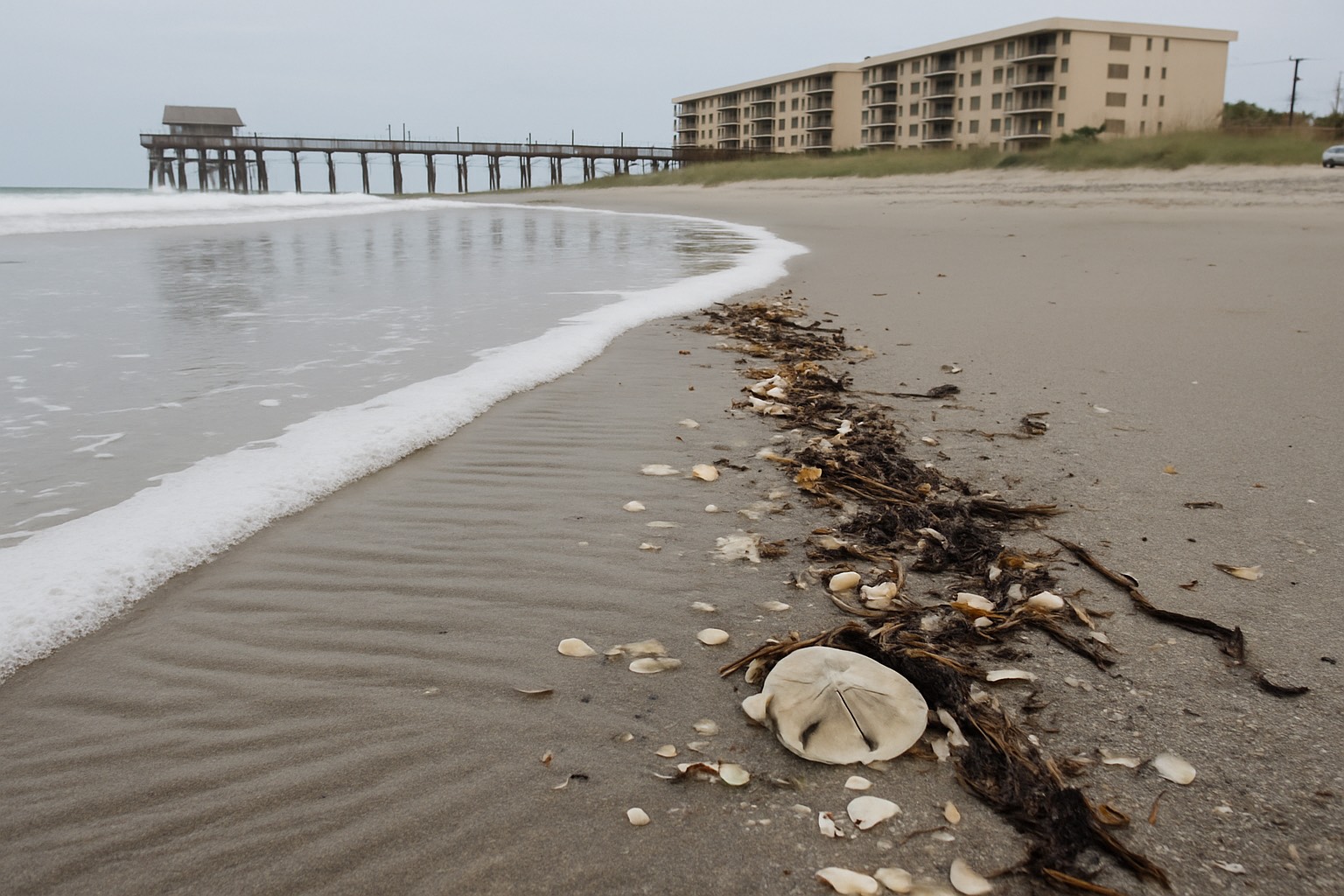
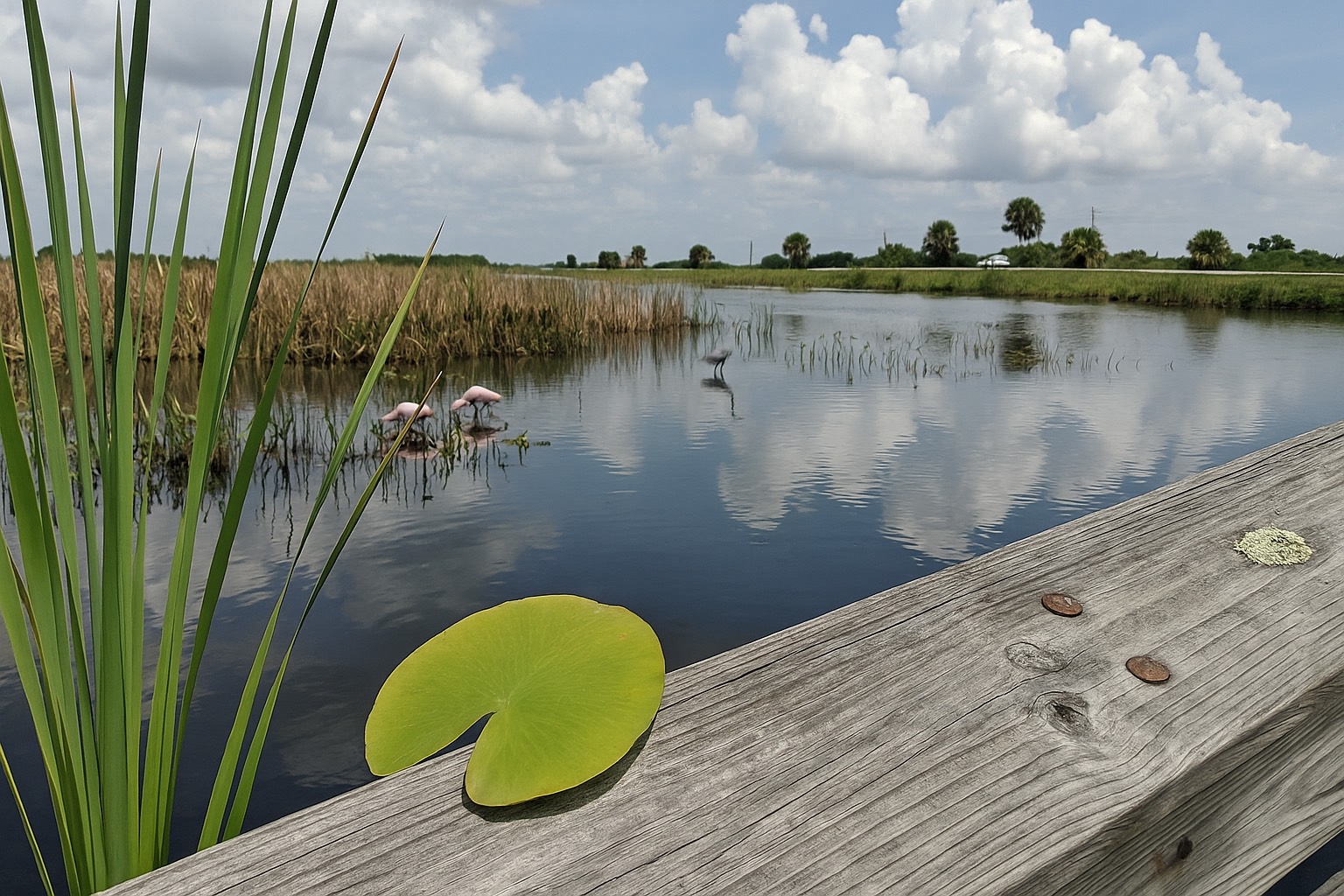
The south end is a federal refuge. The U.S. Fish and Wildlife Service established the Archie Carr National Wildlife Refuge in 1991, and it runs roughly 20.5 miles of beach and shoreline from Melbourne Beach south to Wabasso Beach across Brevard and Indian River counties. The Service describes it as the most significant loggerhead sea turtle nesting area in the world. That shoreline is not a development pause. It is protected, permanently, and it means the town's southern neighbour is dark, undeveloped coast rather than the next phase of anything.
Oceanfront redevelopment carries an extra permitting layer. Construction seaward of Florida's Coastal Construction Control Line, administered by the Florida Department of Environmental Protection, requires a state permit on top of anything the county or the town asks for. That does not stop building, but it slows the pace at which an aging oceanfront lot becomes two new houses, and it is one more reason the stock changes hands more often than it changes shape. I walk through how that line works, and how to find out whether a parcel sits seaward of it, in the Coastal Construction Control Line guide.
Put those together and you get a market where the number of homes is close to fixed and the number of buyers is not.
The one thing to understand before you start
Melbourne Beach does not have an inventory cycle. It has a turnover rate. Nothing you wait for will add houses to this town. What you are waiting for is a specific household to decide to sell, which means your job is to be completely ready on the day one does. Timing a market with no supply response is a waste of your attention.
What thin inventory does to a buyer
The effects are predictable, and knowing them in advance takes most of the sting out.
Small numbers behave loudly. When a town has a handful of active listings at any moment, one seller's decision moves the whole picture. One aggressive list price becomes "the market" in conversation for weeks, and one quick sale becomes evidence of a frenzy. Neither is a trend. I will not forecast prices for you in this article or in person, because nobody honest can; what I will do is send you to the county-level monthly statistics published by the Space Coast Association of REALTORS® and tell you plainly that county figures are far broader than one barrier-island town. Read them for direction only; they are county figures. Our own Melbourne Beach market snapshot keeps the local view in one place.
Comparable sales get thin, and appraisals get interesting. Appraisers need recent, similar, nearby sales. In a small town with a mixed housing stock: direct-ocean homes, lagoon-side homes with docks, mid-century single-story houses inland of A1A, and condo and townhome inventory along the corridor, the pool of true comparables for any one property is small. That matters at contract time, because a purchase price agreed in a competitive week still has to survive an appraisal. Understand that before you write the offer.
The search is lumpy. Six weeks of nothing, then two listings in nine days, both of which you want. Buyers who expect a steady stream burn out in month three and drift to the mainland out of exhaustion rather than out of a decision. The mainland is a legitimate answer: I have written a whole comparison of beachside versus mainland Brevard, but choose it on purpose.
And the real risk: shortcuts on the most complicated property type in the county. Scarcity pushes buyers toward waiving things. On a barrier island parcel, the things people waive are the wind and flood picture, the roof and opening-protection history, the seawall or dock condition on the lagoon side, and, on a condo, the reserve study, the milestone inspection report and the minutes. Those are exactly the items that carry five-figure consequences out here. The scarcity is real, and it is still not a reason to buy blind.
Being ready before the listing appears
Here is the part I can control with you, and it is the part that decides most outcomes. All of it happens before there is a property to look at.
Get underwritten. A pre-qualification letter is an opinion. Full underwriting with income and asset documents already reviewed lets your lender shorten the financing timeline honestly and lets me tell a listing agent something specific rather than something hopeful. Cash buyers: have current proof of funds in a form you can send in five minutes. If you are still sizing the number, our affordability calculator and payment calculator are a starting point before you talk to a lender.
Do the insurance homework generically, before you have an address. You cannot quote a house you have not found, but you can learn the machinery: how wind and flood are separate policies, what a wind mitigation inspection changes, what a percentage hurricane deductible means on a coastal property, and what a Structural Integrity Reserve Study is if you are open to condos. Have a licensed Florida agent on standby who already knows you are shopping in 32951. My annual cost-of-ownership breakdown for Melbourne Beach lays out the line items, and the condo reserve and special-assessment guide covers the documents on the condo side.
Learn the flood-zone lookup yourself. Enter any candidate address at the FEMA Flood Map Service Center and read the zone and the Base Flood Elevation before you fall for the house. Then check which community the parcel sits in for Community Rating System purposes, because the Town and unincorporated Brevard County are two different NFIP communities even where they share a mailing address. As listed in FEMA's NFIP Community Status Book in August 2026, both the Town of Melbourne Beach and unincorporated Brevard County carried a Class 8 rating, which is a rare piece of good news on the south end: the discount lands the same way on either side of the town line. Classes are reviewed each April and October, so confirm the current one. The mechanics are in the CRS discount guide and the zones themselves in Space Coast flood zones explained.
Set the search by map. A ZIP will lie to you here. The 32951 ZIP code runs well south of the town line down A1A into unincorporated Brevard County. A listing that mails as Melbourne Beach may sit outside the Town entirely, under different taxing authorities, a different building department and different code enforcement. Draw the search area on the map. Then confirm any specific parcel on the Brevard County Property Appraiser record, which lists the taxing authorities that show up on the bill. Our Melbourne Beach listings page is where I point clients for the daily view, and I set instant alerts on top of it.
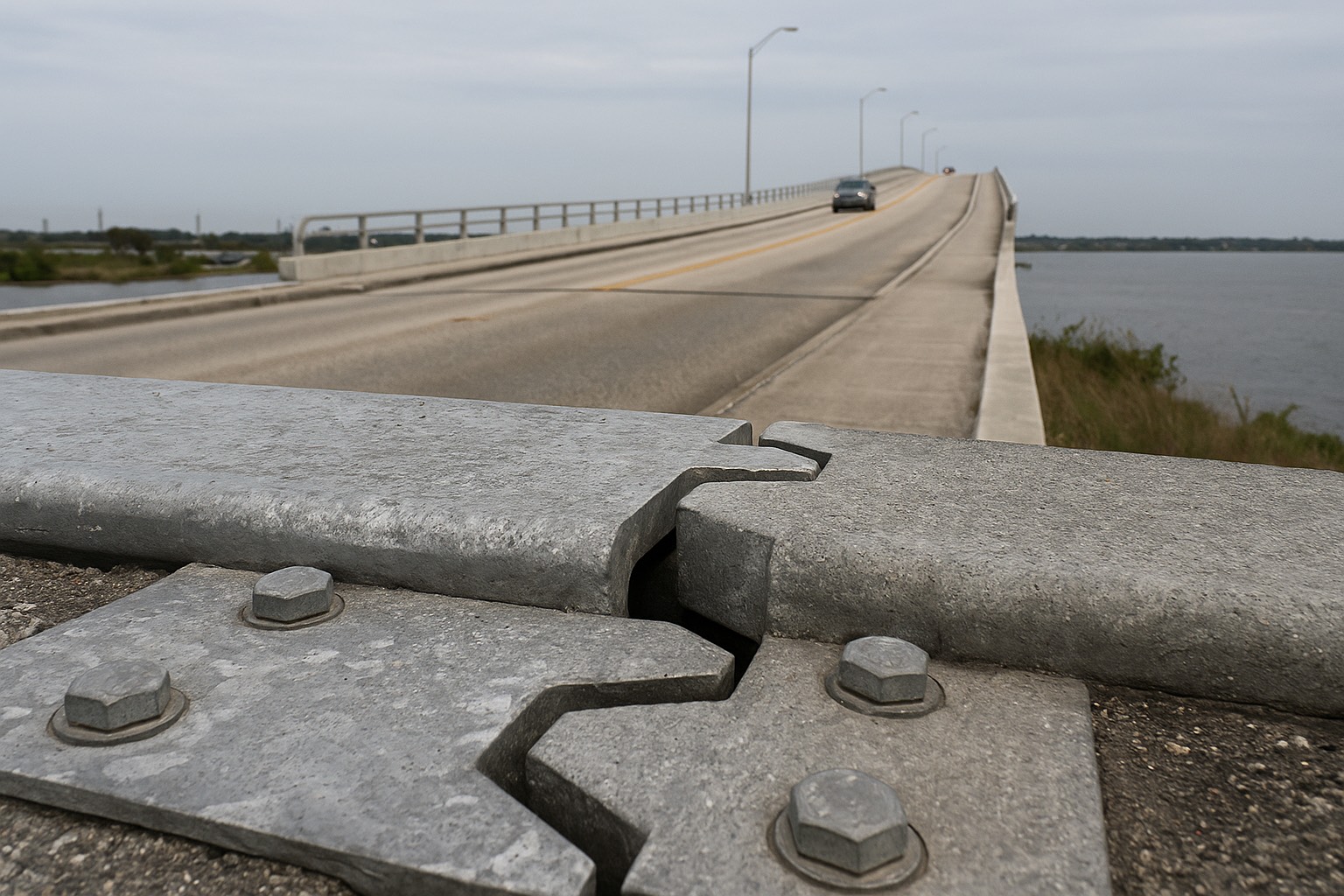
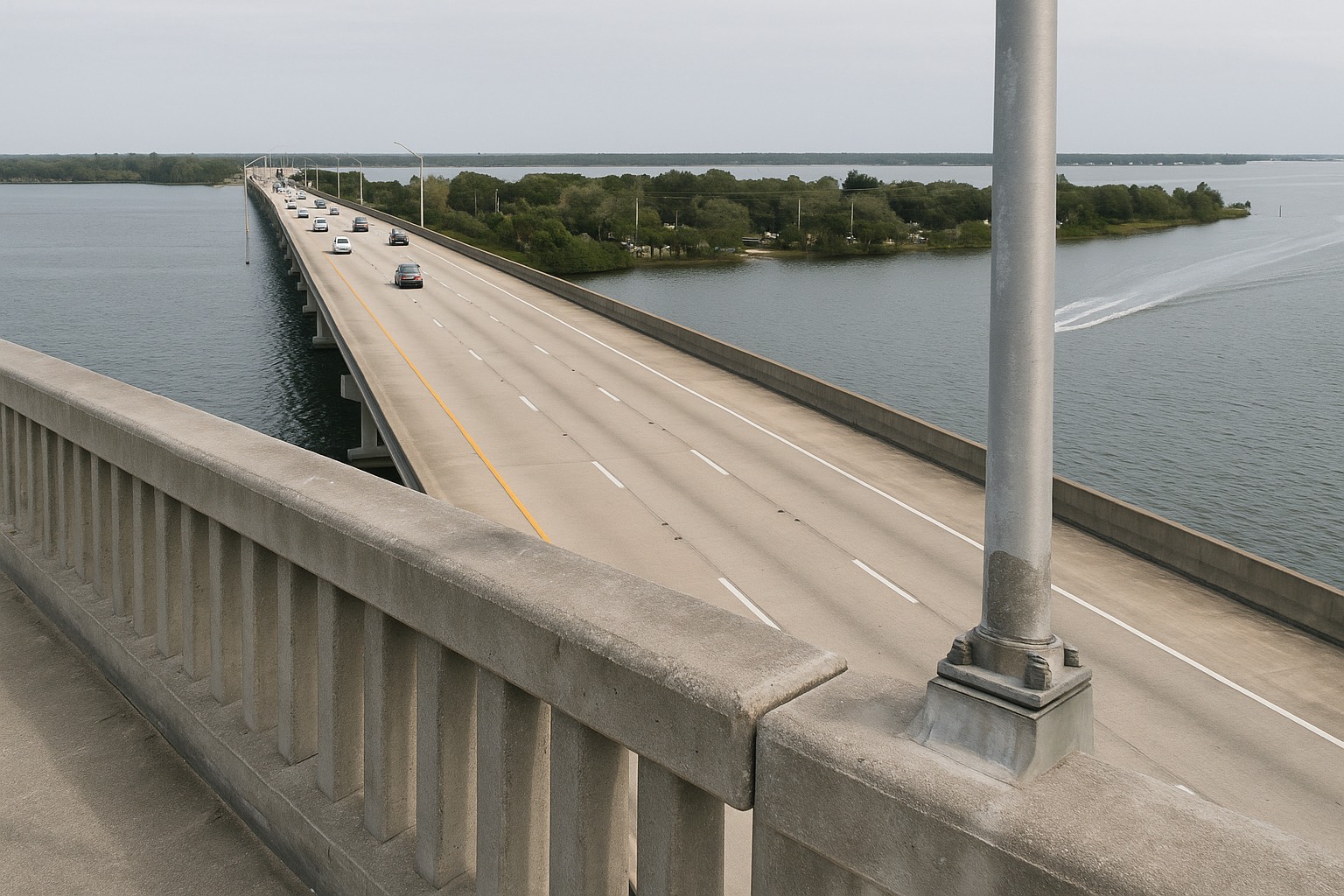
Drive the town before you need to decide. Walk Ocean Avenue and Ryckman Park. Drive A1A south past the town line toward the refuge and north toward Indialantic. Do the drive to the Melbourne Causeway on U.S. 192 at a weekday hour you would really be driving it, because every mainland crossing sits north of you, that one is the nearest, with the Eau Gallie Causeway on State Road 518 above it, and every mainland trip starts by driving north. Doing this two months early is what lets you say yes on a Sunday without guessing.
The pre-work list
Before your name is on anything: full loan underwriting or current proof of funds; a Florida insurance agent briefed on your search area; a home inspector and, for lagoon-side property, a marine contractor who can look at a seawall and dock on short notice; a title company or closing attorney chosen; the FEMA flood-zone lookup done on your own; a mapped search area with instant alerts; and one honest conversation about the highest number you will go to before emotion is in the room.
Terms that win without overpaying
When supply is short, most buyers reach for price first. Price is the loudest instrument and the least creative one. Sellers read a contract as a bundle of certainty, timing and money, and the first two are where a prepared buyer beats an unprepared one who offered more.
| Term | What the seller reads in it | What it costs you |
|---|---|---|
| Larger escrow deposit | The buyer's money is committed and this contract is hard to walk away from casually. | Funds tied up through closing, and real exposure if you default. Size it to what you can genuinely stand behind. |
| Short but real inspection period | The schedule is short and the buyer clearly has a team already lined up. | You must have inspectors, a marine contractor and an insurance agent ready to move the day you go under contract. |
| Financing already underwritten | The loan risk looks closer to a cash purchase than to a typical offer. | The work and the expense happen before you have a property, and the letter has to be recent. |
| Flexible closing date or short post-closing occupancy | The seller can find and buy their own next home inside the same thin market. | You may carry a rental longer, store furniture, or move twice. |
| Appraisal-gap language | A low appraisal will not end the deal. | You are agreeing to bring cash for the difference, up to whatever cap you write. Never sign one open-ended. |
| Waived inspection | This will be easy. | You inherit the roof, the openings, the seawall, the flood picture and, on a condo, the reserves and the milestone report, all unseen. I do not recommend it on this island. |
Contract terms described generally, as they function in Florida residential transactions. The specific rights, deadlines and remedies are set by the contract and addenda you sign, have your broker or a Florida real estate attorney review any escalation or appraisal-gap language before it goes out.
Two more worth naming. An escalation clause, an agreement to beat a competing offer by a stated increment up to a stated ceiling, comes up constantly in thin markets. It works mechanically, but plenty of listing agents and sellers will not accept one, it reveals your ceiling, and it needs careful drafting to be enforceable. Ask before you assume it will be welcome. And a backup offer in second position is genuinely underrated here. Deals fall apart over insurance quotes and condo documents more often on a barrier island than inland, and being the written backup costs you nothing but attention.
Brianna's take
The offer I like writing in Melbourne Beach is boring on price and impressive everywhere else: underwritten financing, a deposit that means something, a tight inspection window I know we can hit because I have already called the inspector, and a closing date built around what the seller told us they need. I would rather win on those four than pay more for a house whose seawall I have not looked at. And when we lose one: which happens out here, to good buyers, regularly, we ask for backup position and we keep going.
Widening the search without losing the point
Sooner or later the conversation turns to looking elsewhere. That is fine, provided you first say out loud what Melbourne Beach was for. The substitutes are different depending on the answer.
If the point was the ocean itself, then Indialantic immediately north, the unincorporated stretch of 32951 running south of the town line, and Satellite Beach further north all put you on the same Atlantic. Each is a different city or unincorporated area, which means a different building department, different beach-parking and code rules, and potentially a different NFIP community rating. Same water, different paperwork.
If the point was the small-town governance, a town police department, a compact civic core, decisions made close to home, then Satellite Beach is the closest analogue on the island, and it runs a good deal more of its own machinery. I compared the two towns line by line, including how the flood discount differs, in Satellite Beach vs. Melbourne Beach.
School assignment is its own question. Verify it by address with Brevard Public Schools rather than by town name, and remember that boundaries are reviewed and change. The district sets assignment, and the listing field is only a copy of it. I go through how to check an address, and what island geography does and does not have to do with it, in the Satellite Beach schools piece.
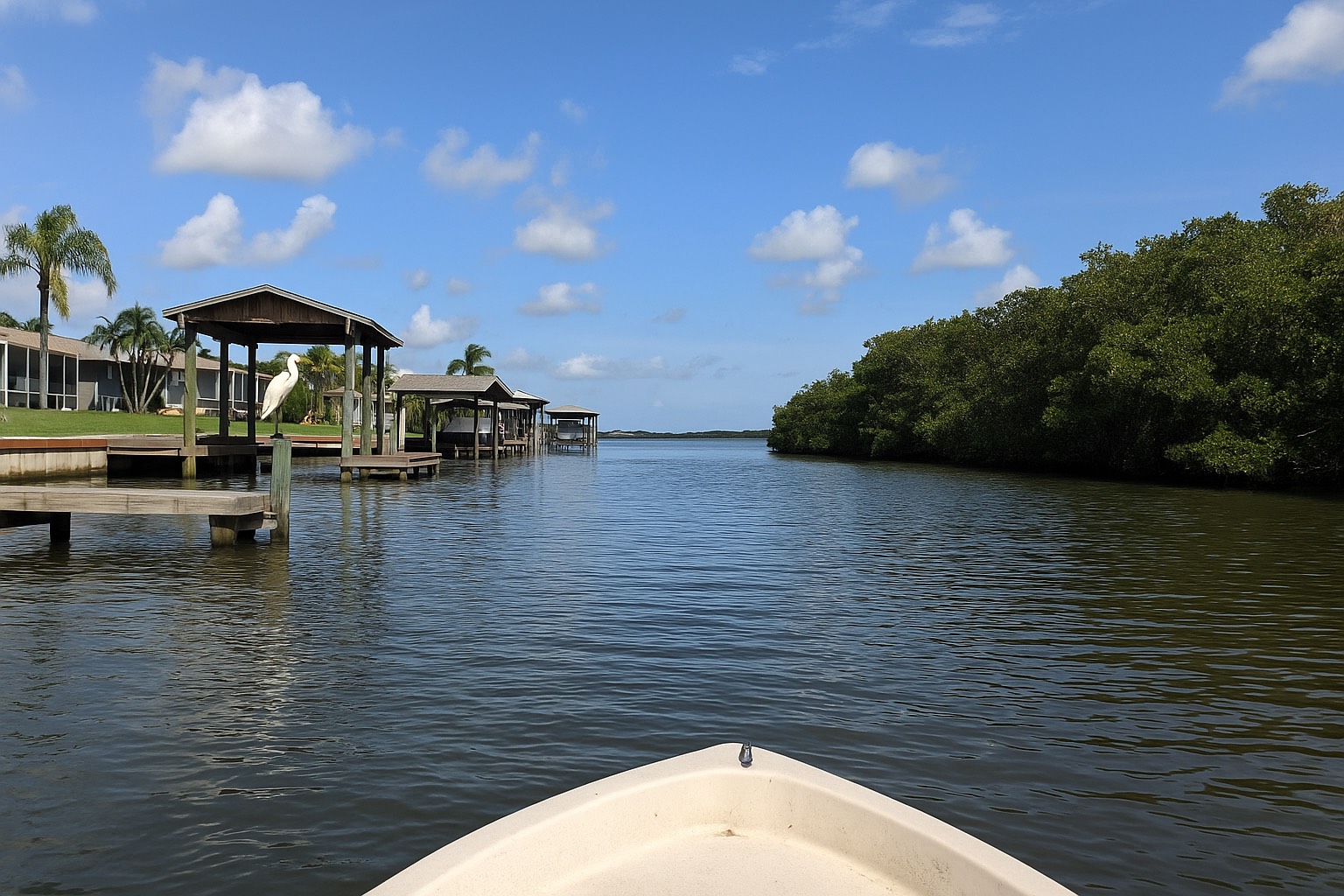
If the point was the water on the west side, a dock, a lift, a lagoon sunset: then lagoon-side parcels on the island, and the mainland riverfront in Melbourne, Rockledge and further north, all deserve a look. The carrying costs differ sharply between them, and so does the wind exposure.
Square footage for the money is the one trade the mainland wins outright. It is not close, and I would rather you make that trade deliberately than drift into it. Which Space Coast town fits you is built for exactly that decision.
One caution on widening: adding towns to a search does not merely add listings, it adds rule sets. Two houses four miles apart on the same island can sit in different flood communities, different municipal codes and different school zones. Widen the map, then re-run the checks for each new area rather than assuming what you learned in the Town travels with you.
The patience conversation I have with beach buyers
Buying in a town this size runs in seasons. I ask clients to set a horizon they can live with: often the better part of a year, and to arrange their life so that waiting does not cost them the purchase. That usually means a lease with a short tail or a month-to-month arrangement, money kept liquid rather than parked somewhere with an exit penalty, and a willingness to travel to see something on short notice. It also means agreeing in advance what you will do when nothing lists for two months, so frustration does not decide it.
Some buyers should not run a Melbourne Beach single-town search at all. If you have a hard date: a lease ending, a job start, a school year, a closing on the house you are selling, then a market with a fixed housing stock and a handful of active listings is the wrong place to bet a deadline. In that situation I will tell you to widen the search from day one, or to rent locally and shop from inside the town. I would rather say it in the first meeting than watch someone waive an inspection in month eight because the calendar ran out.
The buyers who end up happy out here almost all have the same profile. They did the preparation early, they lost at least one house, they kept their standards on inspections, and they were ready on a Tuesday morning when the right one appeared. Scarcity is not something you beat. It is something you outlast, with the paperwork already done.
When you are ready to start, the town guide covers the geography and the housing stock, and a short conversation is usually enough for me to tell you whether a one-town search fits your timeline or fights it.
Frequently asked questions
Why is there so little inventory in Melbourne Beach?
Because the town has almost no room to add housing. The incorporated Town of Melbourne Beach covers 0.988 square miles of land in the U.S. Census Bureau's 2020 gazetteer file, bounded by the Atlantic on the east, the Indian River Lagoon on the west, the Indialantic town line to the north, and the Archie Carr National Wildlife Refuge running south. The U.S. Fish and Wildlife Service established that refuge in 1991 and it covers roughly 20.5 miles of beach and shoreline from Melbourne Beach south to Wabasso Beach, so the southern neighbour is permanently protected coast rather than future subdivisions. With no room to annex or sprawl, the only thing that creates a listing here is an existing owner deciding to sell.
Does low inventory mean I will have to overpay?
Not necessarily, and I will not forecast prices for you because nobody honest can. What thin supply does reliably is reduce the number of comparable sales available, which makes both pricing and appraisal harder, and it concentrates attention so that one listing sets the tone for weeks. The buyers who do best compete on certainty and timing rather than on price alone: underwritten financing, a deposit that means something, a short but real inspection period, and a closing date shaped around what the seller needs. For direction on the wider market, read the county-level monthly statistics published by the Space Coast Association of REALTORS, and remember those cover all of Brevard County rather than one barrier-island town.
What should I have ready before a Melbourne Beach listing appears?
Full loan underwriting rather than a pre-qualification letter, or current proof of funds if you are paying cash. A licensed Florida insurance agent already briefed on your search area. A home inspector, and for lagoon-side property a marine contractor who can assess a seawall and dock on short notice. A title company or closing attorney chosen. Your own flood-zone lookup habit at the FEMA Flood Map Service Center. A search area drawn on a map rather than by ZIP code, with instant alerts on it. And a number you have already decided you will not go past, agreed before emotion is in the room.
Should I waive the inspection to win a house in Melbourne Beach?
I do not recommend it on this island. A barrier-island property carries the items with the largest consequences: roof age and opening protection, the wind and flood insurance picture, seawall and dock condition on the lagoon side, and on a condominium the reserve study, the milestone inspection report, the budget and the board minutes. Those are the things a waived inspection hands you unseen. A better competitive move is a short inspection period you can genuinely hit because your inspector, marine contractor and insurance agent are already lined up before you write the offer.
Is an escalation clause a good idea in a market this thin?
It can work, with caveats. An escalation clause commits you to beat a competing offer by a stated increment up to a stated ceiling, which saves a round of back-and-forth. But many listing agents and sellers will not accept one, it reveals the top of your range, and it has to be drafted carefully to be enforceable. Ask whether the listing will entertain one before you build your strategy around it, and have your broker or a Florida real estate attorney review the language. A written backup offer in second position is often the more useful tool here, because barrier-island deals do fall apart over insurance quotes and association documents.
Where else should I look if nothing lists in Melbourne Beach?
It depends entirely on what Melbourne Beach was for. If the draw was the Atlantic itself, Indialantic to the north, the unincorporated stretch of the 32951 ZIP south of the town line, and Satellite Beach further north all sit on the same ocean. Small-town governance points you to Satellite Beach, which runs more of its own services, its own police and fire, than the towns around it. Wanted a dock and the lagoon? Look at lagoon-side island parcels and the mainland riverfront in Melbourne and Rockledge. On square footage for the money the mainland wins clearly. Whichever you add, re-run the flood community, municipal code and school-assignment checks for the new area rather than assuming they carry over.
Does a Melbourne Beach mailing address mean the house is inside the Town?
No, and this catches people. The 32951 ZIP code runs well south of the town line down State Road A1A into unincorporated Brevard County, so a property can mail as Melbourne Beach while sitting outside the incorporated Town entirely. That changes which building department issues permits, whose code enforcement applies, which taxing authorities appear on the bill, and which community the parcel falls under for flood-insurance purposes. Confirm the parcel on the Brevard County Property Appraiser record, and call the Town if the address sits near a boundary, before you write an offer.
How long should I expect to wait to buy in Melbourne Beach?
Plan in seasons rather than weeks, and arrange your life so waiting does not cost you the purchase: a lease with a short tail or a month-to-month arrangement, money kept liquid, and a willingness to see a property on short notice. If you have a hard deadline such as a lease ending, a job start date or a closing on a home you are selling, a single-town search in a market with a fixed housing stock is the wrong place to bet that deadline, and I will tell you so in the first meeting. Widen the search from the start or rent locally and shop from inside the town.
Keep reading
Want to be the buyer who is ready when the right one lists?
Send me what you are looking for and I will set the search by map rather than by ZIP, put the pre-work list in front of you, and tell you honestly whether a Melbourne Beach one-town search fits your timeline. I have served Space Coast clients since 2015, and I will give you the straight version, including the houses I would let go.
Data last verified: August 2026. Land area and 2020 population facts from the U.S. Census Bureau 2020 gazetteer files; town history and municipal facts from the Town of Melbourne Beach; refuge establishment, extent and nesting significance from the U.S. Fish and Wildlife Service, Archie Carr National Wildlife Refuge; flood-zone and Base Flood Elevation lookups from the FEMA Flood Map Service Center, and Community Rating System classes from FEMA's NFIP Community Status Book as read in August 2026; parcel and taxing-authority records from the Brevard County Property Appraiser; coastal construction permitting from the Florida Department of Environmental Protection's Coastal Construction Control Line program; school assignment from Brevard Public Schools; county-level market statistics from the Space Coast Association of REALTORS®. CRS classes are reviewed each April and October, statutes and local rules change, and contract terms are governed by the document you sign, confirm current specifics with the relevant authority, a licensed Florida insurance agent, and a Florida real estate attorney for your property.
Categories
- All Blogs (48)
- Cost of Living (3)
- Cost of Ownership (25)
- Decision Guide (9)
- Living in Cape Canaveral (8)
- Living in Cocoa Beach (5)
- Living in Melbourne (4)
- Living in Melbourne Beach (5)
- Living in Palm Bay (4)
- Living in Rockledge (3)
- Living in Satellite Beach (6)
- Living in Titusville (6)
- Living in Viera (4)
- Living on Merritt Island (4)
- When Buying (4)
- When Relocating (7)
Recent Posts