Cocoa Beach vs. Merritt Island: Which Coastal Life Fits You?
Cocoa Beach vs. Merritt Island: Which Coastal Life Fits You?
They sit a bridge apart and both call themselves "the coast" — but they're two different lifestyles riding two different cost structures, and choosing on the postcard instead of the trade-offs is how buyers end up in the wrong one.
Here's the trap I watch buyers walk into: they fall for "the coast" as a single idea — sand, water, salt air — and then assume Cocoa Beach and Merritt Island are basically the same purchase with a different zip code. They're not. One is a barrier-island, oceanfront, mostly-condo life with a condo cost stack underneath it. The other is a lagoon-and-river, canal-and-dock, single-family-home life with a waterfront-maintenance cost stack underneath it. Pick the wrong one for how you want to live and what you're willing to carry, and the water view stops being the reward and starts being the thing you resent paying for. So let's price the trade-offs behind the postcard — and let's do it before you make an offer.
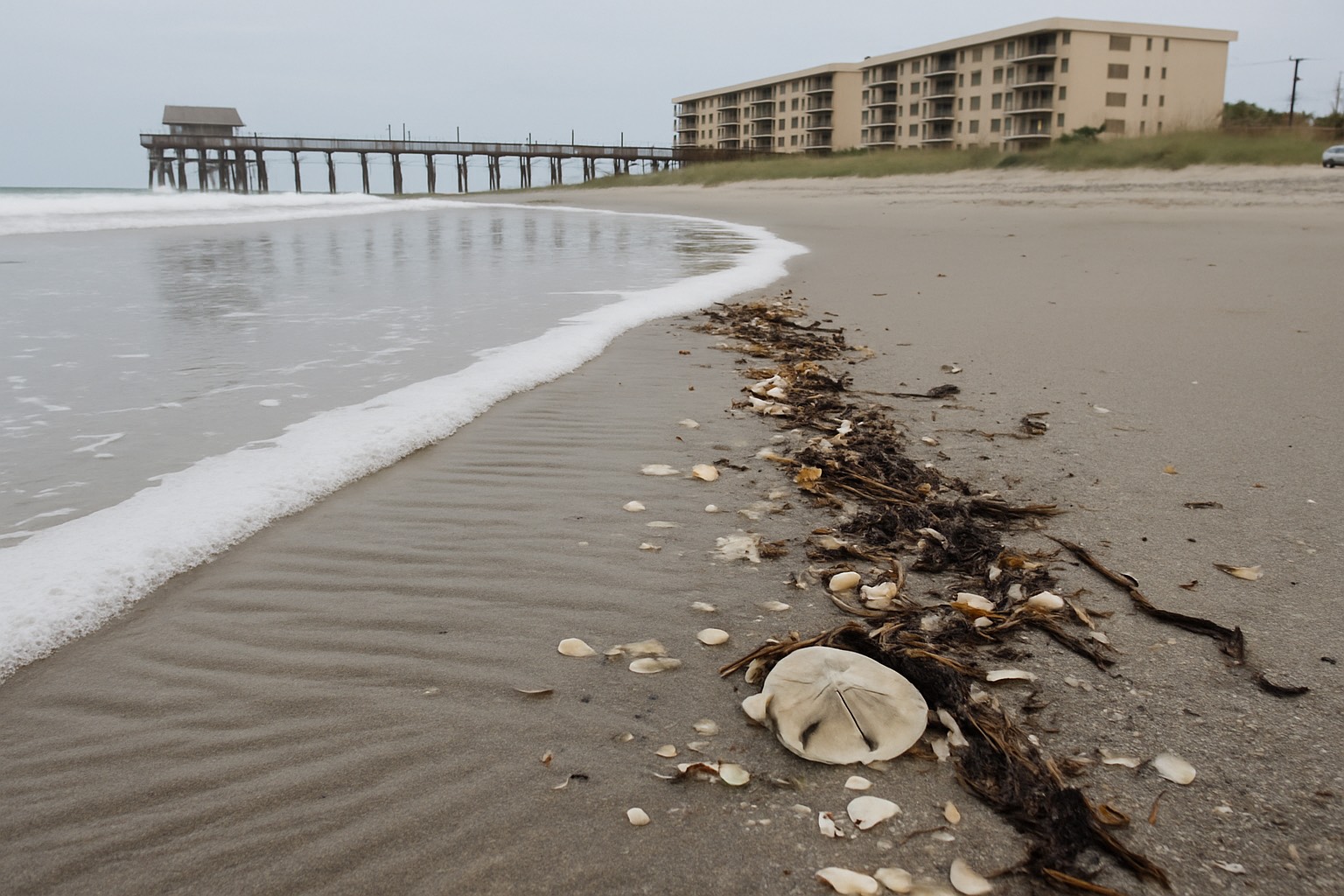
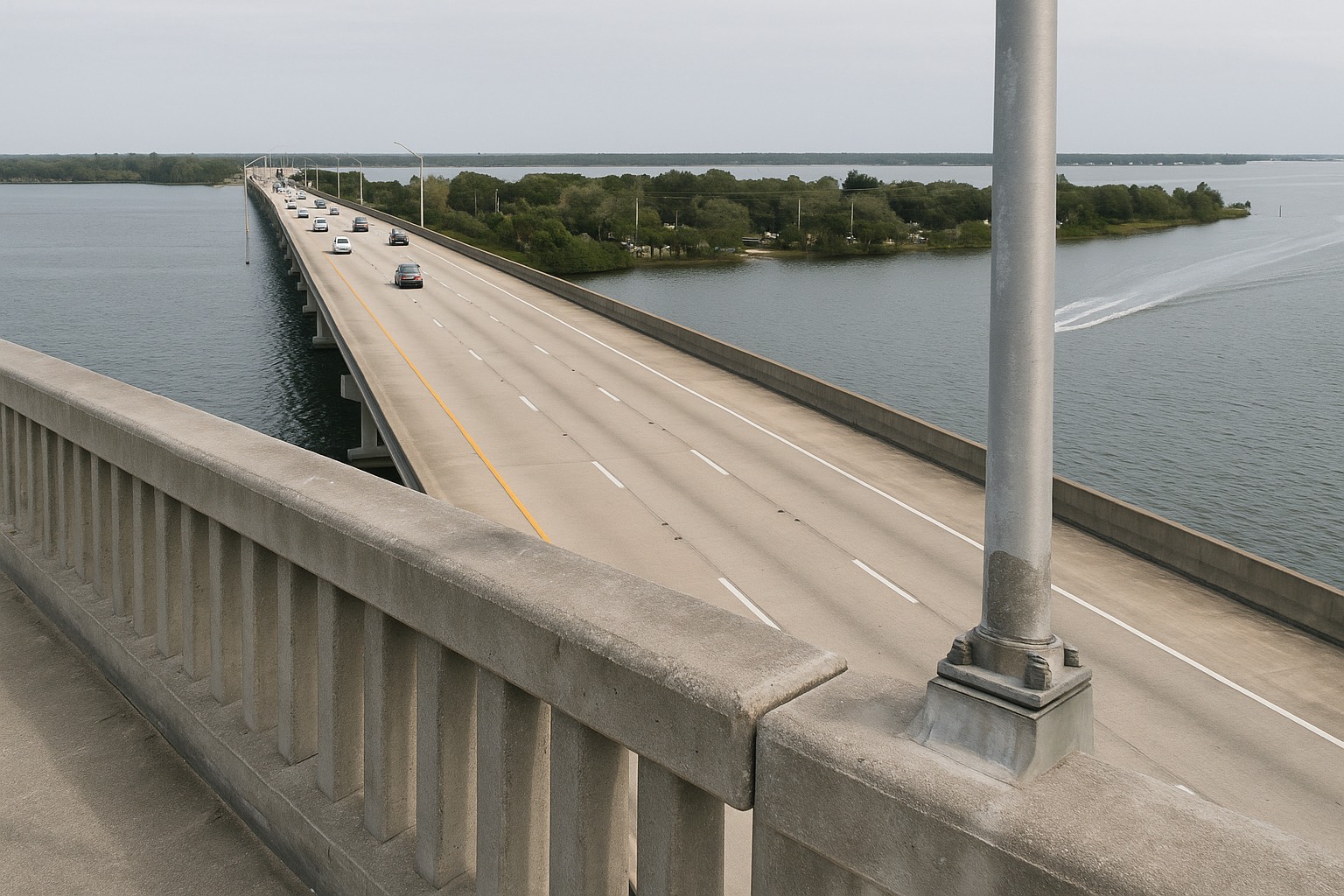
First, the fact that reframes the whole comparison: only one of these two is oceanfront. Cocoa Beach is the barrier island — the strip of land between the Atlantic Ocean and the Banana River, with the actual surf, the Pier, and the walkable beach. Merritt Island sits behind it, between the Indian River Lagoon and the Banana River, with the barrier island standing between it and the ocean. So Merritt Island's water is lagoon, river, and canal — calm and navigable, the kind you boat on. People mix these up constantly, and the mix-up costs money, because the two locations carry water differently and price differently.
The geography that drives everything below
Cocoa Beach is the barrier island — true Atlantic oceanfront, with the beach, the surf, and the Pier on the ocean side and the Banana River on the back side. Merritt Island is the larger river-and-lagoon island just inland of it, separated from the ocean by the Banana River and the barrier island beyond. Its waterfront is canals, the Indian River Lagoon, and the Banana River — protected boating water. That one distinction — oceanfront versus lagoon/river-front — shapes the home types, the daily lifestyle, and the cost structure on each side of the bridge.
Two different lifestyles, a bridge apart
Before cost, get the lifestyle clear, because it's the part you live with every single day. These are genuinely different rhythms, and neither is the "right" one — it depends on what you want your ordinary Tuesday to look like.
Cocoa Beach: walk-to-the-sand, surf-town, mostly condo
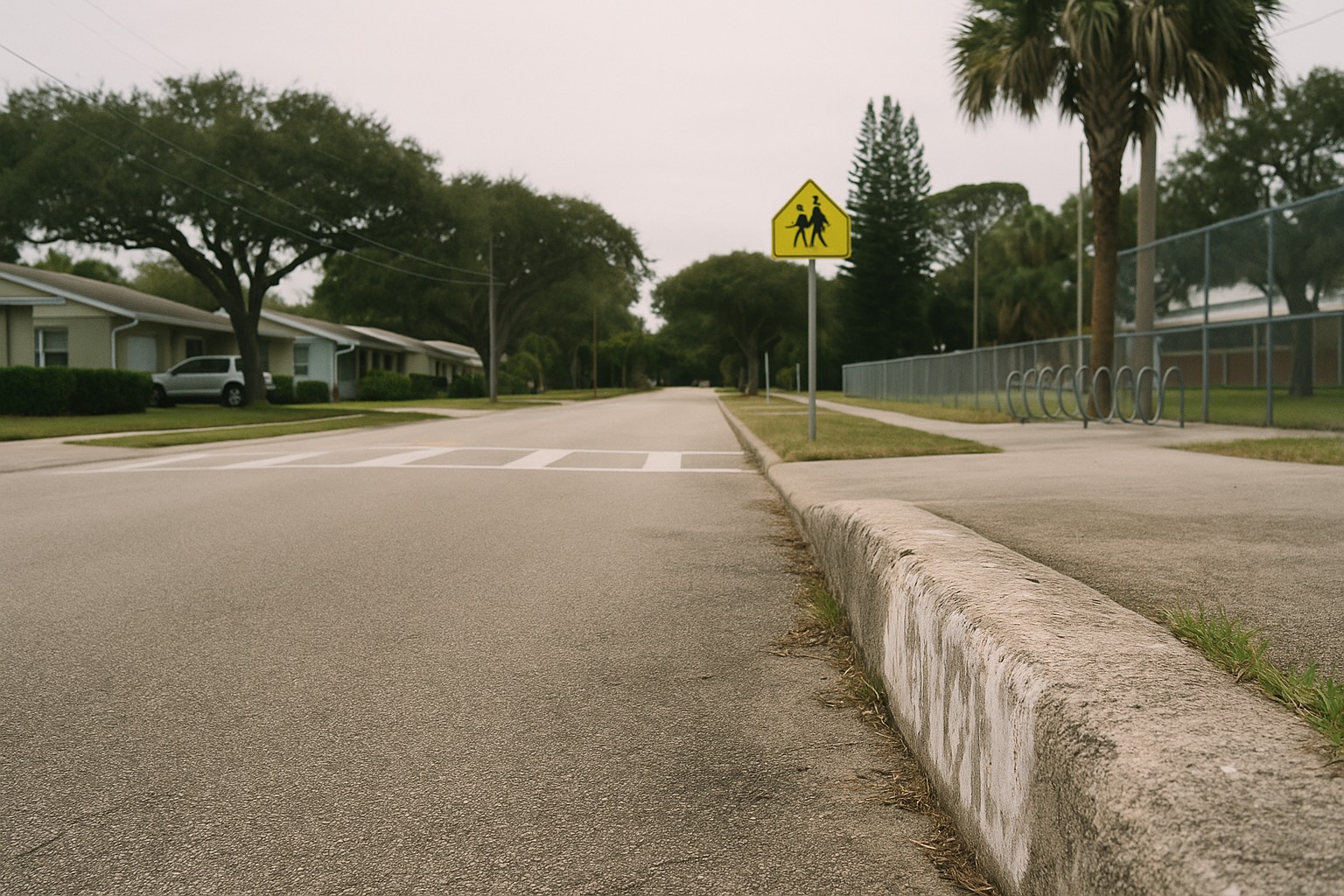
Cocoa Beach is the compact barrier-island beach town. The draw is immediacy — the ocean is a short walk or a quick stroll from much of the housing, the surf culture is real, the Pier and the beachside restaurants and shops are part of the day, and a lot of the inventory is condos and townhomes rather than sprawling lots. It's a lock-and-leave, low-yard, ocean-at-your-doorstep kind of life. If your ideal is walking to the water with a coffee and not owning a boat to enjoy the coast, this side speaks your language.
Merritt Island: canal-and-dock, boating, single-family
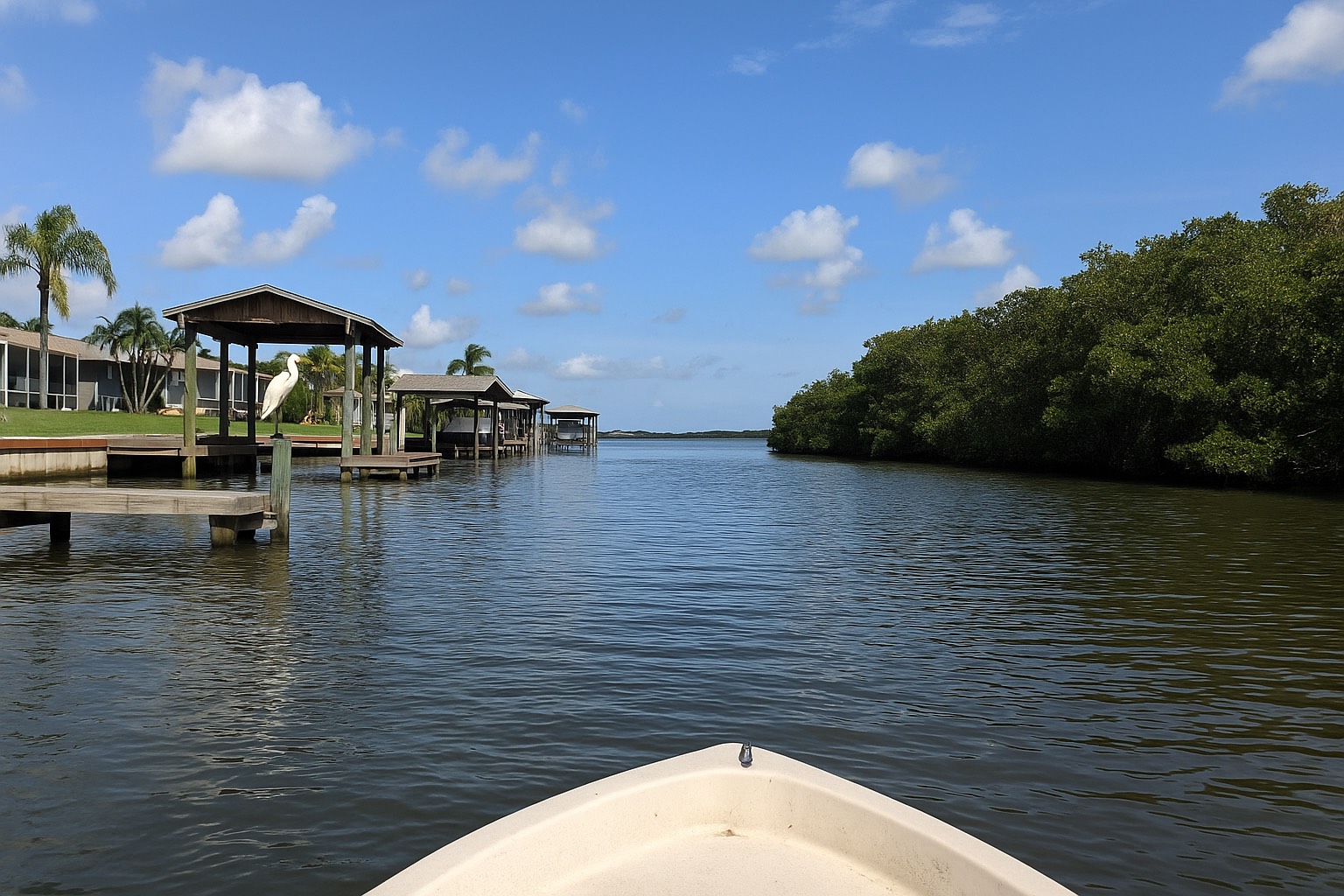
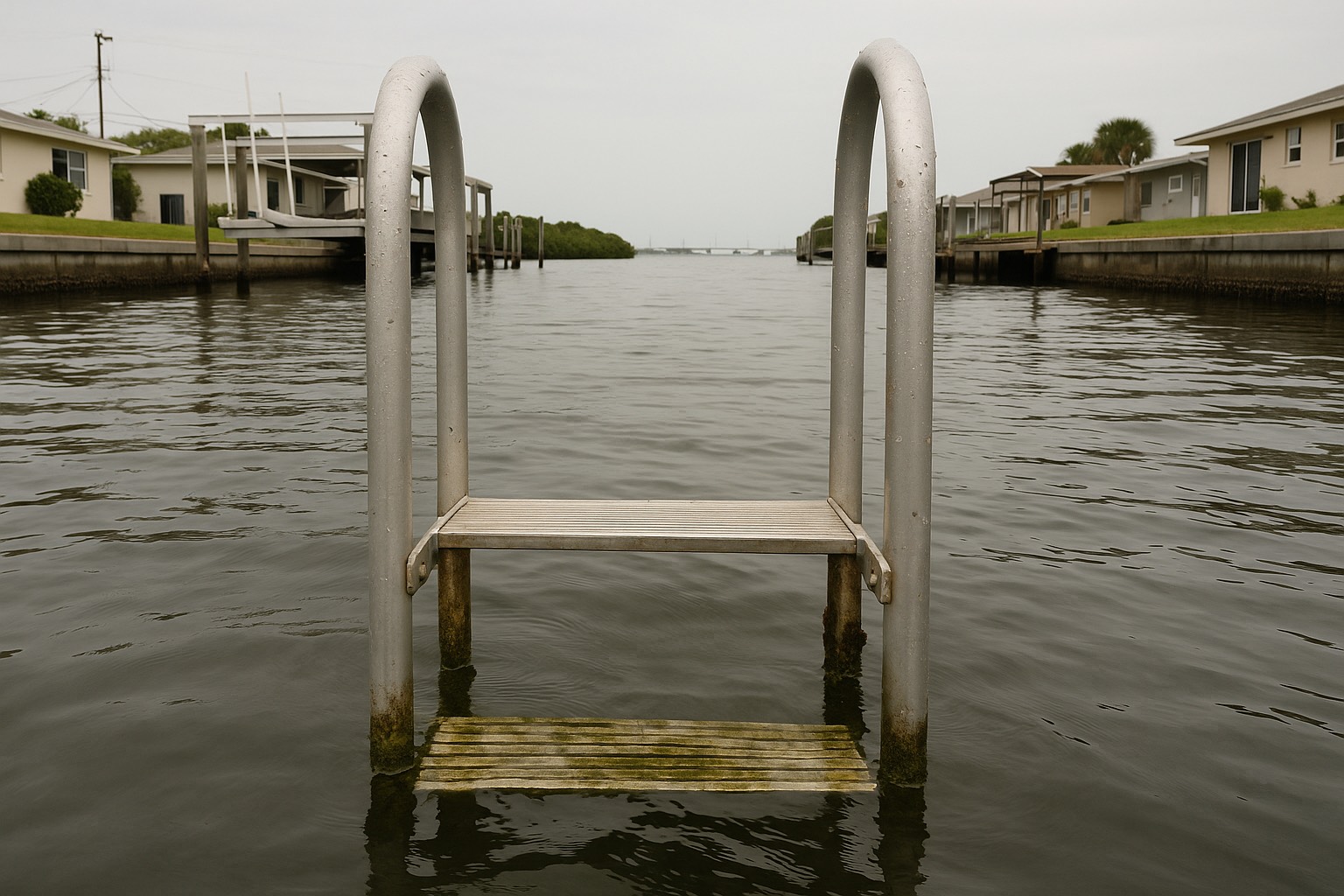
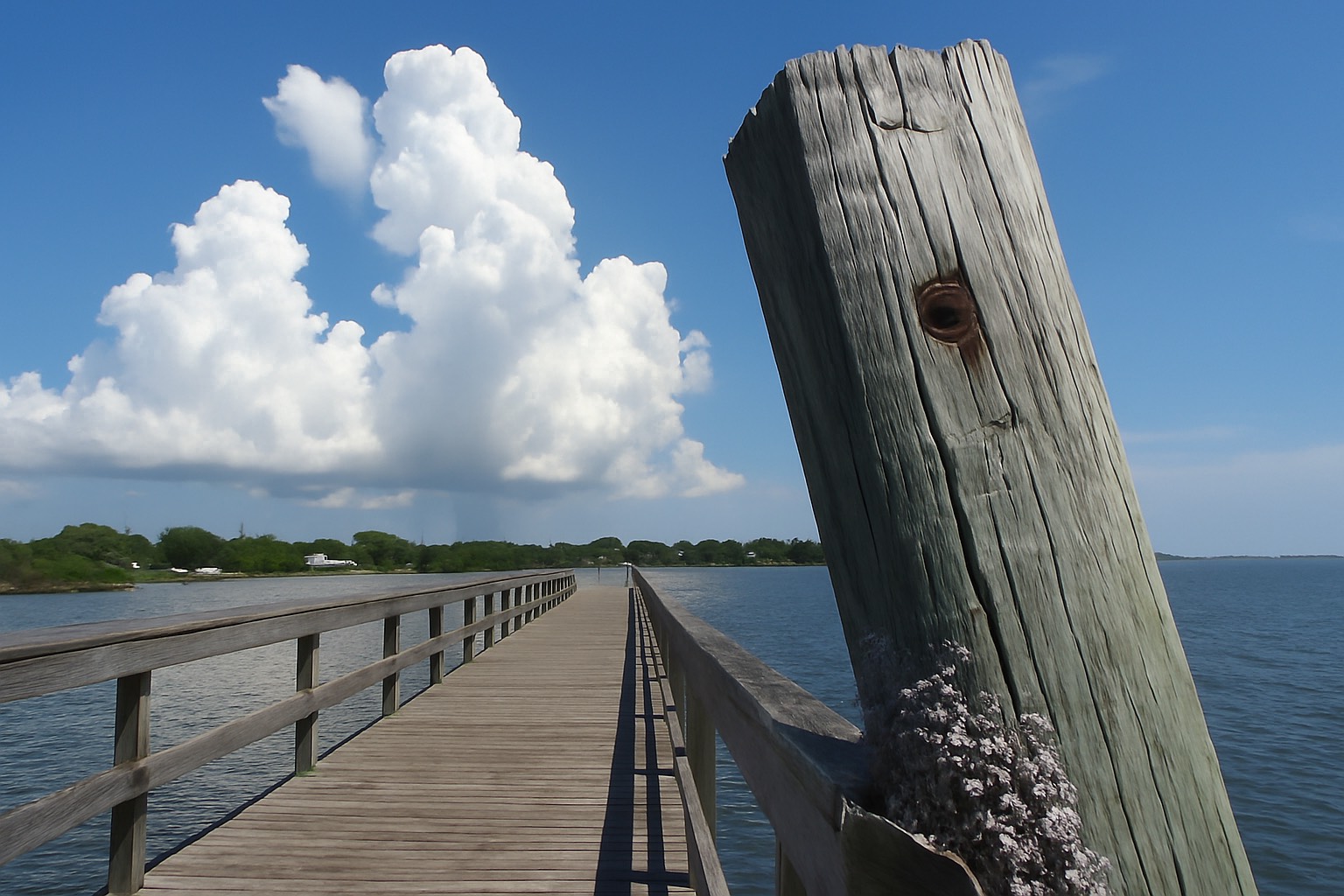
Merritt Island is the larger, greener, more residential island. The signature here is waterfront single-family homes on canals, many with a private dock and a boat lift, and direct boating access out to the Banana River and the Indian River Lagoon. It's more space, more yard, more of a "your boat is in your backyard" life — here the coast reaches you at your dock. If the water you want is the kind you launch a boat into rather than the kind you swim off the beach, this side fits.
Two different cost structures — and this is where buyers get surprised
Both are coastal, so both carry costs an inland buyer doesn't. But the shape of the cost is different on each side, and that's the part the listing price never tells you. I never quote you a hard number here — pricing is property-specific and the market moves — but I can tell you exactly which buckets you'll be filling.
Cocoa Beach: the condo cost stack
Because so much of Cocoa Beach is condos, the carrying cost is built around the whole building, your unit included. That means:
- HOA / condo association dues covering shared structure, grounds, often the master insurance, and amenities.
- Condo insurance and reserves. Florida's post-Surfside laws — SB 4-D (2022) and the follow-up SB 154 (2023) — require a milestone structural inspection for condo buildings three stories and taller once they reach a statutory age (generally 30 years, or 25 years for buildings near salt water), a Structural Integrity Reserve Study (SIRS), and proper funding of reserves for the structural components the SIRS covers. For those SIRS-covered structural items, associations can no longer vote to waive or underfund the reserves the way some once did.
- Special assessments. When a reserve study reveals a building needs roof, concrete, or structural work, owners can face a one-time special assessment on top of regular dues — and older oceanfront buildings, exposed to salt and surf for decades, are among the most likely to face that work, though the actual risk depends on the specific building's condition, reserves, and inspection history. This is one of the biggest cost surprises on the barrier-island side, and it's why you read the building's documents before you buy.
- Wind and flood exposure priced for true oceanfront — the highest-exposure end of the Space Coast.
I walk through the post-Surfside reserve rules in detail in the Florida condo reserves and special assessments guide, and the specific insurance-and-flood picture for the barrier island in insurance and flood costs for Cocoa Beach condos.
Merritt Island: the waterfront-home cost stack
On the Merritt Island side, you usually own the whole house and lot, so there's typically no condo association deciding your structural fate — but the waterfront itself becomes the cost line:
- Flood insurance — a separate policy from homeowners, priced largely off the property's FEMA flood zone and elevation. Canal and lagoon-edge lots frequently fall in a high-risk zone where a flood policy is effectively required with a mortgage.
- Wind / hurricane coverage with its own hurricane deductible, priced for a flat island ringed by open water — generally above equivalent inland homes and below true oceanfront.
- The dock and seawall. This is the line item the spreadsheet forgets. A canal home's seawall, dock, lift, and pilings sit in brackish water and weather year-round and have a service life. Keeping them sound is an ongoing carrying cost of the waterfront, budgeted year after year.
The full breakdown for the river-and-lagoon side is in insurance and flood costs for Merritt Island waterfront homes.
The comparison, in one sentence
Cocoa Beach often trades a private-maintenance burden for a shared one you don't fully control (association dues, reserves, and the risk of a special assessment), while Merritt Island trades that shared structure for a private one you do control but also pay for directly (your flood, your wind, your dock and seawall). Neither is cheaper in the abstract — they're different shapes of the same coastal reality, and the right one depends on which kind of cost and control you'd rather carry.
Cocoa Beach vs. Merritt Island, side by side
| What to compare | Cocoa Beach | Merritt Island |
|---|---|---|
| Setting | Barrier island — true Atlantic oceanfront | River-and-lagoon island, inland of the barrier island (not oceanfront) |
| The water | Open ocean surf and beach; Banana River on the back side | Canals, the Indian River Lagoon, and the Banana River — calm, navigable boating water |
| Typical home type | Mostly condos and townhomes, plus some single-family | Mostly single-family homes, many on canals with docks |
| Lifestyle | Walk-to-the-beach, surf town, the Pier, lock-and-leave | Boating from your own dock, more yard and space, residential |
| Cost structure | Condo dues + reserves + insurance, with special-assessment risk (SB 4-D / SB 154) | Separate flood + wind policies + ongoing dock and seawall upkeep |
| Biggest cost surprise | A special assessment on an older oceanfront building | Flood-zone pricing and a seawall or dock near the end of its life |
| Commute toward KSC / Cape Canaveral | Reachable, but you cross water to get off the barrier island | Generally a shorter, more direct drive to the KSC / Cape area |
Home-type, lifestyle, and cost-structure characterizations are general and neighborhood-dependent as of June 2026. Both towns contain a mix of property types; confirm the specifics of any individual home and its association, zone, and condition before you rely on them.
The commute and the practical day-to-day
If your life is tied to Kennedy Space Center, Cape Canaveral, or the aerospace and defense corridor, geography matters in a concrete way. Merritt Island generally offers a shorter, more direct drive toward the KSC and Cape area, which is a real quality-of-life factor when it's a daily round trip. From Cocoa Beach, you're on the barrier island; Cape Canaveral sits directly north of you on that same strip, but reaching the mainland or many KSC access points means crossing water — very doable, but it's a consideration if your commute runs that direction every day. Weigh this by your own commute and how often you make it, because a generic "closer is better" falls apart fast: for a buyer who works from home or whose routine points south toward Melbourne, the calculus flips.
Let's match the town to your actual life
The right answer here is a fit — between one of these two towns and the life you want to live. When we sit down, I'll ask the questions that decide it: Do you want the ocean at your doorstep or a boat at your dock? Are you comfortable inside a condo association's reserve and assessment reality, or would you rather carry your own flood, wind, and seawall costs directly? Where does your commute run? Then we tour both sides with the full cost picture on the table, so you choose on the trade-offs instead of the view. I've served Space Coast clients since 2015, and I'll give you the straight version of each.
How to pressure-test the choice for your specific situation
Before you decide, run the same short checklist on each side. It turns "I love the coast" into "this specific home fits my life and my budget":
- Name the water you want. Surf-and-sand at your door (Cocoa Beach) or boating from your own dock (Merritt Island)? This one answer eliminates half the confusion.
- Pull the flood zone. For any home on either side, enter the address at the FEMA Flood Map Service Center to see the zone and whether a flood policy will be required. I break the zones down in Space Coast flood zones explained.
- On a Cocoa Beach condo, read the building's documents. Ask for the reserve study, the milestone-inspection status, the board minutes, and the assessment history before you commit — that's where a future special assessment shows up.
- On a Merritt Island canal home, inspect the seawall and dock. Treat the waterfront structures as their own inspection item; a seawall near the end of its life is a real future cost.
- Get real insurance quotes early. Ask a licensed Florida agent for homeowners (with the hurricane deductible spelled out) and, where relevant, flood — during your inspection period, while you still have leverage. The Florida Office of Insurance Regulation (FLOIR) and Citizens Property Insurance show you the carrier landscape.
- Drive your commute at your real time of day from a home on each side, so the map distance becomes a lived number.
When you're ready to compare specific homes, start with the neighborhood-level picture: the Cocoa Beach real estate guide and the Merritt Island real estate guide lay out what each side looks like on the ground. And when you're on the other side of the decision and ready to move, the sell-your-Space-Coast-home hub walks through pricing and listing your current place.
Frequently asked questions
Is Cocoa Beach or Merritt Island oceanfront?
Cocoa Beach is the oceanfront one. It is the barrier island, the strip of land directly on the Atlantic Ocean, with the surf, the beach, and the Cocoa Beach Pier. Merritt Island is not oceanfront — it is the larger river-and-lagoon island just inland, separated from the ocean by the Banana River and the barrier island beyond it. Merritt Island's waterfront is canals, the Indian River Lagoon, and the Banana River, which is calm, navigable boating water rather than open surf.
Which is better, Cocoa Beach or Merritt Island?
Neither is objectively better — it depends on your priorities. Cocoa Beach offers a walkable, oceanfront, mostly-condo lifestyle with the beach and the Pier at your doorstep, paired with a condo cost structure of association dues, reserves, and possible special assessments. Merritt Island offers waterfront single-family homes on canals with private docks and boating access, paired with a cost structure of separate flood and wind policies and ongoing dock and seawall upkeep. The right choice comes down to the lifestyle you want, the kind of costs you would rather carry, and your commute.
Why is so much of Cocoa Beach condos instead of houses?
Cocoa Beach is a compact barrier island with limited land, so a large share of its housing is condos and townhomes built to put many homes close to the ocean. That is part of the appeal — a lock-and-leave, low-yard, beach-at-your-doorstep lifestyle. It also shapes the cost structure, because condo ownership means association dues, shared insurance, reserves, and the possibility of special assessments for building work, rather than the private-maintenance model of a single-family home.
What is a special assessment and why does it matter on Cocoa Beach?
A special assessment is a one-time charge a condo association levies on owners, on top of regular dues, to pay for major work such as roof, concrete, or structural repairs. It matters on Cocoa Beach because Florida's post-Surfside laws, SB 4-D and SB 154, now require a milestone structural inspection for condo buildings three stories and taller once they reach a statutory age (generally 30 years, or 25 years near salt water) and a Structural Integrity Reserve Study, and associations can no longer vote to waive or underfund the reserves for the structural items that study covers. Older oceanfront buildings exposed to salt and surf for decades are among the most likely to face this work, so reviewing the building's reserve study, inspection status, and assessment history before buying is essential.
Do I need flood insurance on Merritt Island if it is not oceanfront?
Often yes. Flood is excluded from every standard Florida homeowners policy and is insured separately through the federal National Flood Insurance Program or a private insurer. Even though Merritt Island is not oceanfront, its canal and lagoon-edge lots are flat and low and frequently fall in a FEMA high-risk flood zone, where a flood policy is effectively required if you have a federally backed mortgage. Pricing is property-specific and driven by the flood zone and the home's elevation, so look up the specific address at the FEMA Flood Map Service Center.
Which is a shorter commute to Kennedy Space Center and the Cape?
Merritt Island generally offers a shorter, more direct drive toward the Kennedy Space Center and Cape Canaveral area, which is a meaningful factor if you make that trip daily. From Cocoa Beach you are on the barrier island; the city of Cape Canaveral sits directly north of you on that same strip, but reaching the mainland or many Kennedy Space Center access points means crossing water, which is very doable but adds to the trip. The right comparison is your own commute driven at your real time of day, since for someone who works from home or whose routine runs south toward Melbourne, the difference may not matter at all.
Is it cheaper to own in Cocoa Beach or on Merritt Island?
There is no single answer, because the two carry different shapes of cost and pricing is property-specific. Cocoa Beach condo ownership centers on association dues, reserves, insurance, and the risk of a special assessment on an older oceanfront building. Merritt Island waterfront ownership centers on separate flood and wind policies and the ongoing upkeep of a dock and seawall. Rather than assume one is cheaper, price the specific home on each side in full — including insurance quotes and, for a condo, the building documents — before you decide.
Can I get boating access in Cocoa Beach, or only on Merritt Island?
Boating is possible from both, but it looks different. Merritt Island is built around it, with many single-family canal homes that have a private dock and boat lift and direct access to the Banana River and the Indian River Lagoon. Cocoa Beach is oriented toward the ocean and the beach, with boating access through marinas, public ramps, and some Banana River properties rather than the dense network of private canal docks you find on Merritt Island. If having your own boat in your backyard is the goal, Merritt Island is the more natural fit; if you want the ocean and the beach with boating as a secondary option, Cocoa Beach works.
Keep reading
Still deciding between the two coasts?
Let's tour both sides with the full cost picture on the table — the condo reserve-and-assessment reality on Cocoa Beach, the flood, wind, and seawall reality on Merritt Island — so you choose on the trade-offs and let the view be the bonus. I have served Space Coast clients since 2015 and I'll give you the straight version of each.
Data last verified: June 2026. Lifestyle, home-type, and cost-structure characterizations for Cocoa Beach and Merritt Island are general and neighborhood-dependent. Condo-law points (SB 4-D, SB 154, milestone inspections, Structural Integrity Reserve Studies) summarized from current Florida statute, and flood and insurance points from the FEMA Flood Map Service Center, the Florida Office of Insurance Regulation (FLOIR), Citizens Property Insurance Corporation, and the National Flood Insurance Program as of June 2026. Zones, rates, reserve requirements, assessments, and carrier participation are property-specific and change — confirm current specifics for any address with the appropriate authority and a licensed Florida professional.
Categories
- All Blogs (48)
- Cost of Living (3)
- Cost of Ownership (25)
- Decision Guide (9)
- Living in Cape Canaveral (8)
- Living in Cocoa Beach (5)
- Living in Melbourne (4)
- Living in Melbourne Beach (5)
- Living in Palm Bay (4)
- Living in Rockledge (3)
- Living in Satellite Beach (6)
- Living in Titusville (6)
- Living in Viera (4)
- Living on Merritt Island (4)
- When Buying (4)
- When Relocating (7)
Recent Posts